Cost of Living in Rome: A Monthly Budget From Official Figures
A budget built line by line from published sources: rent, transport, bills, food and health, with a clear note of what we could not confirm.
Rent is the biggest cost in Rome. Asking rents averaged about €19.2 per square metre per month in the third quarter of 2026, so a 60 m² flat is roughly €1,150 before bills. A personal monthly transport pass costs €35, as of November 2026. Food and utilities depend heavily on habits.
How much does rent cost in Rome?
Idealista’s third-quarter 2026 report puts the citywide average asking rent at €19.2 per square metre per month, up 1.9% on the previous quarter and 6.9% on a year earlier. The same report series put the city centre far above that average earlier in 2026 (about €30 per square metre in the first quarter). Those are asking rents; contracts registered with the tax office, tracked in other datasets, can differ. For a feel of the numbers:
| Flat size | Citywide average estimate (€19.2 per m²) |
|---|---|
| 40 m² studio | about €770 |
| 60 m² one-bedroom | about €1,150 |
| 80 m² two-bedroom | about €1,540 |
These are arithmetic from an average, not listings. Neighbourhood and contract type change them a lot; see neighbourhoods in Rome and the rental contract types.
What does transport cost?
ATAC’s single ticket (BIT) is €1.50 and lasts 100 minutes from first validation, with one metro entry. The personal monthly pass for the city is €35, and a non-personal monthly version is reported at €53, as of November 2026. A resident who commutes daily almost always saves with the monthly pass. Check the current price list on the ATAC site; see also ATAC tickets and fares.
What do utilities and waste cost?
Electricity, gas, water and internet depend on usage, supplier and the home. Bills carry the TV licence in the electricity bill, and the municipality sets a waste tax; see utility bills in Rome and the TARI waste tax. Rather than guess a figure, take your landlord’s or the previous tenant’s last twelve bills, which show the winter peak for heating.
How much do food and eating out cost?
Istat estimates the average Italian household spent €2,782 a month in 2025, practically unchanged on €2,755 in 2024, across all categories including housing. That is a national average for households, not a Rome budget, and the Istat tables for Lazio show higher spending than the national average in earlier years. For groceries, open-air markets and supermarkets both operate in Rome; see Rome’s food markets for hours. I did not find a verified Rome-specific grocery or restaurant price index, so build your own from receipts in the first month.
What does health care cost?
Residents registered with the national health service (SSN) get a GP and most hospital care with small co-payments for specialist visits; see SSN registration. People not covered need private cover or pay in full, and private insurance premiums vary widely with age and cover.
What taxes should you add to the budget?
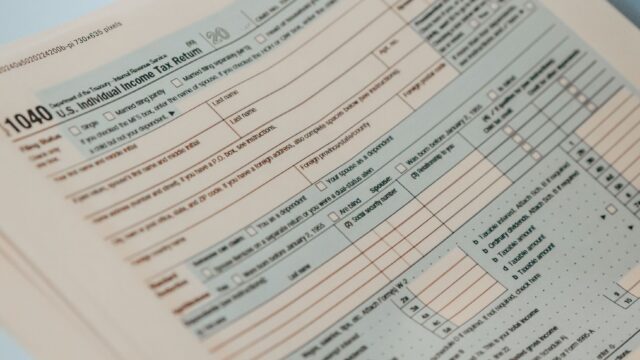
Income tax is calculated on income, not cost of living; see income tax basics. Owners add IMU on a second home, and the regional and municipal surtaxes reduce net pay. Roma Capitale and Istat publish the official data behind these figures at istat.it and comune.roma.it.
How do the totals compare with local incomes?
Istat’s household figures include everyone from single pensioners to families, so they overstate a single person’s spending and understate a family’s. Use them only as a scale. Rents have risen faster than most wages in recent quarters, and the 6.9% annual rise in asking rents is a reminder to budget for the next renewal, not only the first year. A registered contract with fixed terms protects you better than a verbal agreement.
What hidden costs surprise newcomers?
New arrivals often forget the initial costs: the agency fee if one applies, the deposit of up to three months, registration costs, a codice fiscale, passport photos, fees for the residence permit and the cost of a first month in temporary accommodation. Winter heating, mobile data and a bank account with fees can add to the monthly total. The rental deposit guide explains the deposit cap.
Bottom line
Budget rent first, then add fixed lines that are known (transit pass, internet) and track the variable ones for a month. If rent is above one-third of your net income, look one metro stop further out before you cut the other lines, because location moves the total more than shopping habits.
FAQ
Is Rome cheaper than Milan?
Quotes vary by dataset and neighbourhood. Compare the same measure, such as asking rent per square metre from one source, for both cities.
How much is a monthly transport pass in Rome?
€35 for the personal monthly pass, as of November 2026.
Does the cost of living include rent?
Our budget lines list rent separately, because it is the largest and most variable item.
Where do I find official figures?
Istat for household spending, Roma Capitale and ATAC for fares and taxes.