Immaculate Conception in Rome: Spanish Steps and Closures
The Immaculate Conception feast falls on 8 December. What the day means, the Piazza di Spagna setting and what to check before you go.
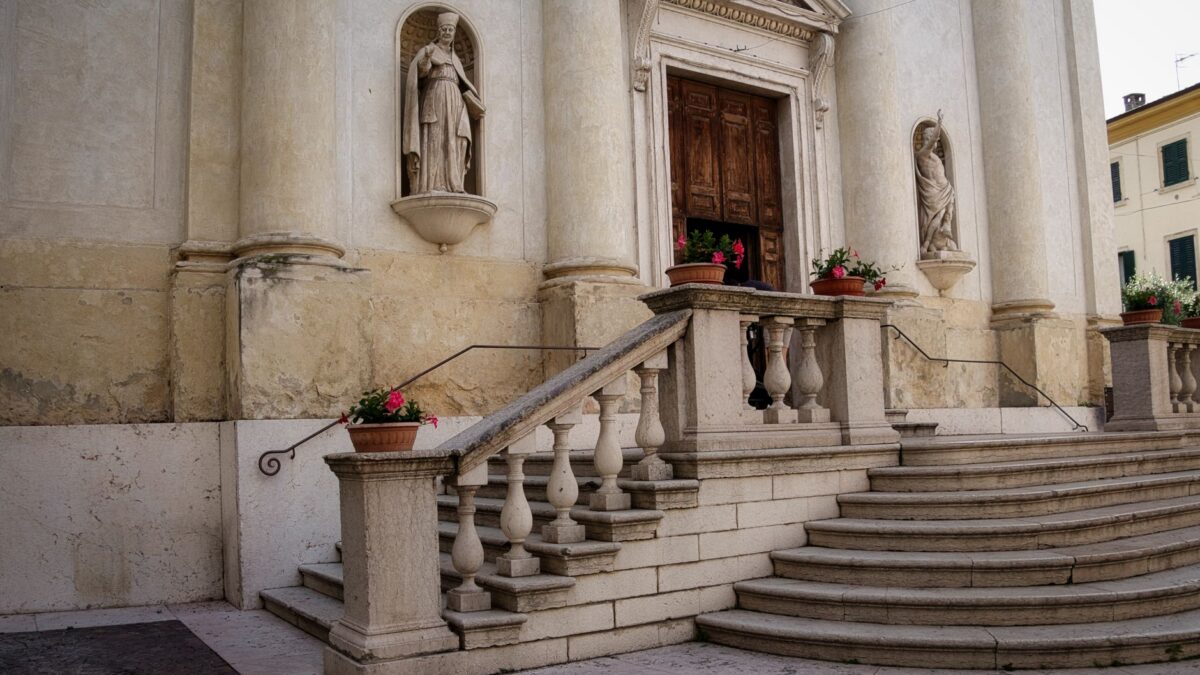
The Immaculate Conception is a Catholic feast celebrated on 8 December, and in Rome the day centres on Piazza di Spagna, at the foot of the Spanish Steps. Our sources describe the feast and the steps in detail but do not publish this year’s programme, so exact times, the papal schedule and any road closures need a check with the city and Vatican announcements shortly before the date.
This guide explains what the feast commemorates, why the Spanish Steps area matters, which rules apply on the stairs and how to plan a visit around a holiday.
What is the Immaculate Conception?
According to the Wikipedia article on the Immaculate Conception, it is the teaching that the Virgin Mary was free of original sin from the moment she was conceived. It is one of four Marian dogmas of the Catholic Church. Medieval theologians argued about it for centuries, and Pope Pius IX defined it as a dogma in 1854 in the bull Ineffabilis Deus.
The feast day is 8 December in the Latin rites of the Church. Byzantine-rite Churches mark it on 9 December. The page also records that the feast began in the Eastern Church, reached England in the 11th century and spread across Europe. It received official approval in 1477 and was extended to the whole Church in 1693. The word “immaculate” was added to the feast’s name only in 1854.
Not every Christian tradition accepts the doctrine. The Eastern Orthodox Church rejects it, and many Protestant churches regard it as unscriptural.
Why does the day involve Piazza di Spagna?
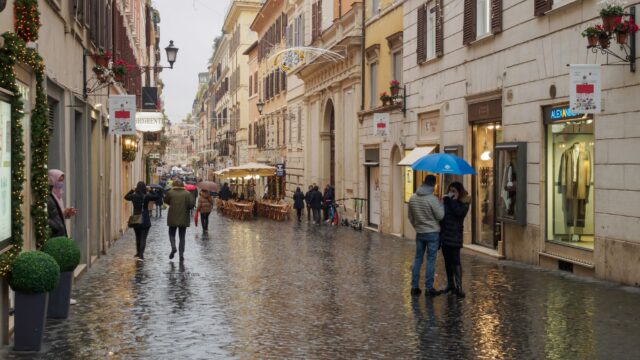
The setting is the square and stairway described on the Spanish Steps page. The Scalinata di Trinità dei Monti (the Spanish Steps) climbs between Piazza di Spagna at the bottom and the church of Trinità dei Monti at the top. The Spanish Embassy to the Holy See stands in the Palazzo Monaldeschi beside the piazza.
The sources do not describe the papal visit or its ceremony, so this guide does not give a time or a route for it. If you want to see the occasion, look for the official notice from the Vatican and from Roma Capitale (the City of Rome), which usually decide the practical details.
What is there to see around the Spanish Steps?
The stairway has 135 steps and rises 29 m. Francesco de Sanctis won the design competition in 1717, and the stairs were built between 1723 and 1725.
At the bottom stands the Fontana della Barcaccia (“fountain of the longboat”), often credited to Pietro Bernini. A legend says Pope Urban VIII ordered it after a flood of the Tiber left a boat in the square.
On the right as you start to climb is the house where the English poet John Keats lived and died. It is now a museum with objects from the English Romantic generation. At the top, the Pincio hill and the Villa Medici are within reach.
At Christmas time, a 19th-century nativity scene is set up on the first landing of the stairs. If you are in town for the holiday season, our guide to Christmas markets in Rome covers where else to go.
What are the rules on the steps?
The steps are a heritage site, and the city has tried several times to stop people from settling in. In July 2019, the administration of the then mayor Virginia Raggi brought in stricter ordinances. They allow a fine of €250 for sitting on the steps and up to €400 for dirtying or damaging them, which covers eating there or pushing a pram up or down.
Earlier bans on loitering and eating were often not enforced, according to the same source, so do not assume a lenient reading. On a holiday, when the area is crowded, it is simplest to stand, take your photos and keep food for a bench or café elsewhere.
Damage to the stairs has led to prosecutions. Visitors who drove a car down the steps in 2022 and a pair who launched a scooter down them the same year were identified and charged or fined.
What closes on 8 December?
Neither source lists shop, museum or transport hours for the feast, so any claim about what shuts would be a guess. Because the day is a holiday, expect many services to run on holiday schedules. Our overview of what is open in Rome on holidays is the better place to plan the day, and the ATAC (Rome’s public transport company) site and Roma Capitale notices are where temporary traffic changes around the piazza would appear.
If you are on a budget, free things to do in Rome lists churches, piazzas and viewpoints that cost nothing to enter.
Quick answers
Is the Immaculate Conception the same as the birth of Jesus?
No. The doctrine concerns Mary’s own conception, which Catholics believe was free of original sin. The sources do not link it to Christmas.
Does the Orthodox Church celebrate it?
The Eastern Orthodox Church rejects the doctrine, according to the source. Eastern Catholic Churches affirm it, and Byzantine-rite Churches date the feast to 9 December.
Can I sit on the Spanish Steps?
The 2019 ordinances allow a fine of €250 for sitting there, so it is safer not to.
Checked against official sources in November 2026. Hours, prices and rules change: confirm on the official page before you go or apply.