TARI Waste Tax in Rome: Who Pays, How It Works and Rates
Tenants and owners both meet the TARI: how to register with AMA and what the bill depends on.
TARI (tassa sui rifiuti, waste tax) is paid by whoever occupies a flat in Rome: the tenant if let, the owner if empty or used by family. It is billed by Roma Capitale through the waste company AMA, usually in several instalments a year. The amount depends on the flat’s size and the number of people in the household.
The details below come from public information and may change. Confirm dates and rates on the Roma Capitale website at comune.roma.it and on your bill.
Who pays TARI in Rome: tenants or owners?
The person who holds or uses the property is liable. For a rented flat that is the tenant. For an owner-occupied or empty flat, it is the owner. A landlord is not liable for TARI if the flat is let and the tenant has declared it, but should make sure the tenant registers. If you move in or out, you must report it.
The tax stays separate from the condominium fees and from the IMU property tax. Our guide to IMU for owners and landlords in Rome explains the owner’s property tax.
How is TARI calculated?
TARI follows a method set by the energy and environment regulator ARERA. It has a fixed part based on the size of the flat (square metres) and a variable part based on the number of household members. Roma Capitale sets the tariffs each year. A larger flat or household pays more. The tariff approval can come late in the year, so early instalments are calculated on the previous year’s rates and a final balance follows.
How do you register with AMA?
- Prepare your codice fiscale, the cadastral data of the flat (dati catastali) and the lease details.
- Submit the declaration (dichiarazione di inizio occupazione) to Roma Capitale and AMA through the online procedure or the AMA counter. Check the current deadline: it is usually within a set number of days from moving in.
- List all household members and the surface area.
- Keep the receipt of the declaration.
If you do not register, the administration can issue an assessment later with penalties. Landlords benefit from tenants who register, because it shows who is liable.
When are the instalments due?
As reported by news sources in November 2026, Rome used four deadlines for 2026: 31 March, 31 May, 31 August and 30 November. Dates have been changed in previous years and sources differ, so check your own bill, which is the authoritative document. You can pay through PagoPA (the national public payment system) or at a bank, post office or tobacconist (tabaccheria) that accepts it.
Are there discounts?
Households with low ISEE can receive a social discount (bonus sociale rifiuti) of 25 percent, applied automatically when the ISEE is valid. You need to file the ISEE each year. See our guide to ISEE for how to request it. Ask AMA whether any local reductions apply to your case.
What does separate collection look like?
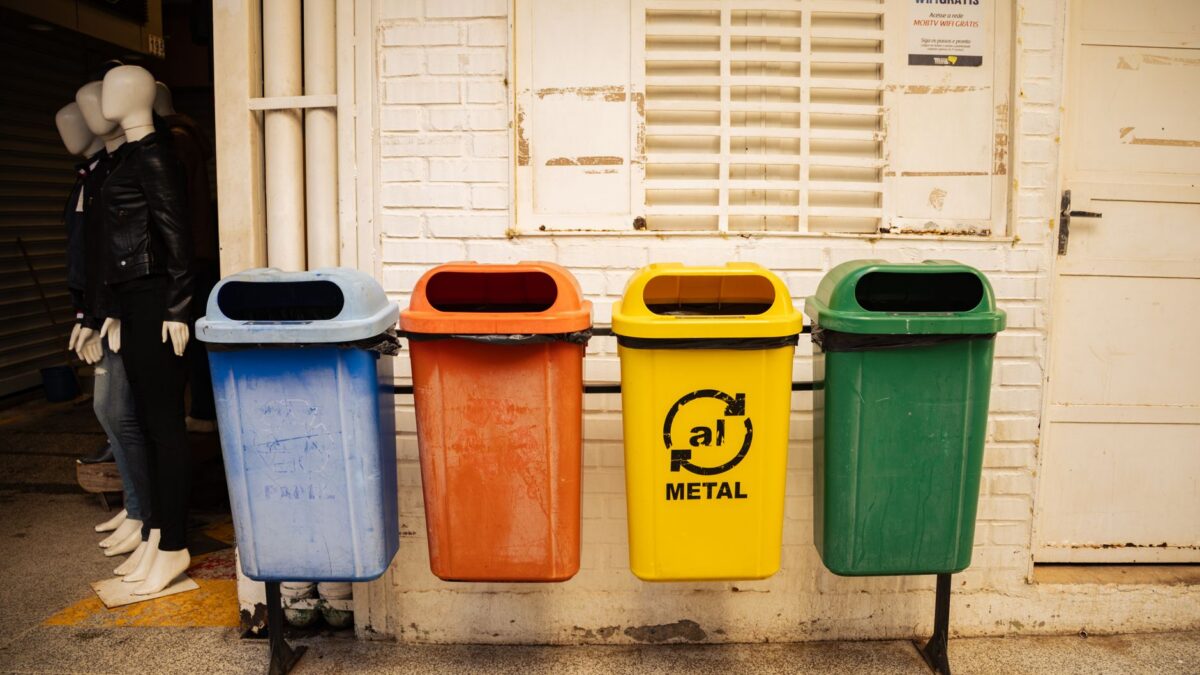
Rome uses separate collection (raccolta differenziata) for paper, plastic and metal, glass, organic waste and general waste. How you do it depends on your street: some neighbourhoods have door-to-door collection with set days, others use street bins with smart cards, and some have large bins. Check the AMA site for your address, because collection days and rules differ by neighbourhood.
Put organic waste in compostable bags, not ordinary plastic ones. For bulky items such as old furniture, ask AMA how to book a pickup.
What can go wrong with TARI?
The most common problems are bills addressed to a previous tenant, a household size that does not match who actually lives in the flat, and bills for a period before you moved in. If the bill is in the wrong name, contact AMA with your lease and the date you took the keys. If the square metres look wrong, compare the figure with the cadastral data on your lease or the landlord’s property documents.
When you leave, file the end-of-occupation declaration. If you do not, the tax can keep arriving in your name for months. Keep the confirmation with your handover report and your deposit paperwork: see our guide to rental deposits in Rome.
How does TARI compare with other housing costs?
TARI is usually a small share of the yearly cost of renting compared with rent and energy, but it is a bill that arrives separately from the landlord’s payments and is easy to forget. Add it to your budget as a yearly figure divided by twelve, and check the first bill to see whether it is larger or smaller than you expected. If you plan to stay for years, the amount can change when Roma Capitale approves new tariffs, so read the notice that comes with each bill.
Bottom line
Register the flat with AMA soon after moving in, keep the confirmation with your lease, and ask the landlord whether TARI is already in your name. Set a reminder for each instalment and check the bill against your declared household size. If the bill looks wrong, ask AMA or the administration for a review.
FAQ
Does the landlord pay TARI if the flat is empty?
Yes, the owner is liable for an unoccupied flat that is furnished or has active utilities.
Do I pay TARI on a short stay?
Yes, if you occupy the flat for more than a short period. Short-term guests do not pay it individually.
What happens if I miss a payment?
You can usually pay late with a penalty through a procedure called ravvedimento. Ask AMA or a commercialista (accountant).