La Befana in Rome: Epiphany on 6 January Explained
Who La Befana is, what Rome usually organises on the Epiphany, and which places are closed on 6 January.

La Befana is the old woman on a broomstick who, in Italian tradition, brings sweets to children in the night between 5 and 6 January. The Epiphany (Epifania) on 6 January is a public holiday in Italy, so most shops, museums and offices in Rome are closed, and the Piazza Navona Christmas market usually ends that evening. In 2027 6 January falls on a Wednesday.
Who is La Befana?
La Befana is a folk figure, an elderly woman in a patched coat who flies on a broom. Children hang a stocking, and she leaves sweets for the well-behaved and charcoal for the rest. The charcoal is usually made of sugar today. The name comes from Epifania, and the tradition is tied to the Magi, the three kings who reached the Nativity on 6 January. Her story is folklore and has no single official version.
What happens in Rome on 6 January?
Rome organises several Befana events, but the programme changes yearly and is published late. Reports on the 2026 programme mention a “descent” of the Befana in Piazza Navona with the fire brigade (Vigili del Fuoco), accompanied by a band and sweets for children, but organisers cancel it in bad weather. Check turismoroma.it and comune.roma.it for the 2027 programme once it is announced. Events in Piazza Navona and at parishes are free to watch.
What is the Piazza Navona market on the Befana?
The market sells Befana stockings, sweets, toys and decorations. In the 2025-26 season it ran from 1 December to 6 January; the 2026-27 dates were not yet published as of November 2026. The last day is the busiest, so aim for a weekday morning if you go. For a longer guide, see our page on Christmas markets in Rome.
What is closed on 6 January?
6 January is a public holiday, so expect a Sunday-style pattern, the usual one for national holidays. The table gives the typical situation, which can vary.
| Place | Usual pattern on 6 January |
|---|---|
| Vatican Museums | Closed in many years; confirm on museivaticani.va |
| Colosseum and Forum | Normally open; confirm on colosseo.it |
| Supermarkets and shops | Many closed or on short hours |
| Public offices and banks | Closed |
| Transport | Holiday timetable |
See what is open on holidays in Rome for the wider picture. Pharmacies work on the farmacia di turno rota.
How do Italian families celebrate the Epiphany?
Children open stockings or small gifts in the morning, and families often eat a long lunch. Sweets include caramelle, chocolate and the torrone (nougat) sold at markets. Some schools hold events before the break ends, and school resumes soon after 6 January; the regional calendar sets the exact date.
Can you do something with kids in Rome on 6 January?
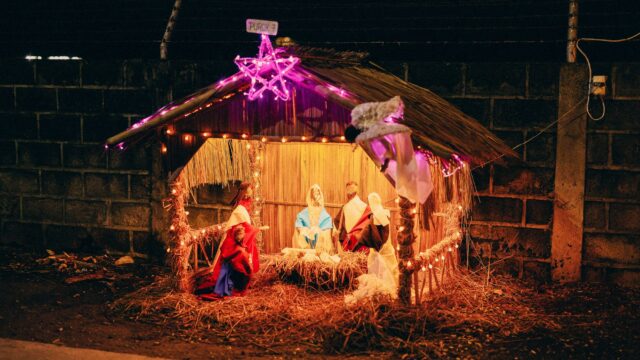
Yes: watch the Piazza Navona events if they run, visit the market and look for presepi in churches, which usually stay on show until the end of the Christmas season. Our page on nativity scenes in Rome lists where to look. Parks may close in storms or high winds. In 2026 parks were closed on 6 January under a weather alert, so check the municipal notices if it is windy.
What traditions do Italians follow for the Befana?
The Befana tradition has regional variations. In some parts of Italy people burn an effigy of the old woman on the night of 5 January to mark the end of the old year, while in Rome the focus is children and sweets. A common rhyme tells how she travels with a broom and a sack, with shoes and stockings left out for her. These details are local custom and families follow them in different ways, so treat any single description as a typical rather than a universal one.
Sweet shops and supermarkets sell Befana stockings from December, usually from a few euros upward, and markets sell them at stalls. Parents often buy them in the week before 6 January. If you are not Italian, accept that the date also marks the real end of the holiday season: school starts again soon after, and many people return to work the day after the Epiphany or the following Monday.
Italian television often marks the date with the lottery draw (Lotteria Italia), whose prizes are announced on 6 January. It is a national habit rather than a Roman one, and tickets are sold at tobacconists and online through the official operator.
Is 6 January a good day for a quiet walk in Rome?
If the weather is fine, yes. Piazzas are busy in the morning and thin out by late afternoon. The centre is walkable, and the Aventine, Janiculum and Villa Borghese give views without tickets, though parks can close during storms and strong wind. If you need medicine, find the duty pharmacy on the day rather than assuming the nearest one is open. Check the national rule on public holidays in our holiday calendar once published.
Bottom line
If you want one family outing on 6 January, pick the morning for Piazza Navona and keep the afternoon free in case the weather turns. Buy bread and milk on 5 January, since small shops are likely to be closed the next day.
FAQ
Is 6 January a public holiday in Italy?
Yes. It is one of the national holidays, so offices and schools are closed.
What does La Befana bring?
Sweets for good children and sugar “coal” for naughty ones, in the traditional story.
Does the market close on 6 January?
The Piazza Navona market has ended on 6 January in recent seasons. Check the 2026-27 dates when the comune publishes them.