Setting Up Utilities in a Rome Apartment: Electricity, Gas, Water
Who to call, what documents you need and what each line of the Italian bill means.
In Rome you normally put electricity and gas in your own name with a supplier on the free market, pay water to the local utility, and arrange internet separately. The TV licence (canone Rai) is added to the electricity bill for households with a home electricity contract. Have your codice fiscale, ID and the meter codes ready.
Prices change monthly, so this guide explains structure rather than rates. Check each offer on the supplier’s site and on the official comparison portal run by the energy regulator ARERA.
What do you need to start a contract?
- Your codice fiscale and a valid ID.
- The address and the meter codes: the POD (electricity) and the PDR (gas) are printed on a previous bill.
- The lease or proof of ownership.
- Bank details for direct debit, which is the usual payment method.
If the previous tenant left the supply active, you ask for a transfer (voltura) or a new activation. If the meter was shut off, a technician visit may be needed and can take days or weeks.
What is the free market and what happened to the regulated one?
The regulated market (mercato tutelato) ended for gas in January 2024 and for electricity for non-vulnerable households on 1 July 2024. People who had not chosen a supplier were moved to a default service: the gradual protection service (servizio a tutele graduali) for electricity, set through auctions. Households recognised as vulnerable can stay in a regulated service. As of November 2026, the electricity default service conditions run until 31 March 2027, according to ARERA’s published notices.
In practice, you choose a supplier on the free market (mercato libero) and an offer type: fixed price for a period, or variable price tied to a wholesale index. Compare the energy price, the fixed monthly fee and any contract-exit costs, not the headline price alone.
What does a bolletta show?
| Section | What it covers |
|---|---|
| Spesa per la materia energia | The energy itself, in kWh or cubic metres |
| Trasporto e gestione del contatore | Grid and meter fees, set by ARERA |
| Oneri di sistema | System charges |
| Imposte | Excise duty and VAT |
| Canone Rai | TV licence instalment, electricity bills only |
| Consumi stimati / effettivi | Estimated or actual readings |
Look at whether the bill is based on actual readings or on estimates. If it is estimated, send your meter reading to the supplier through the portal or app.
Why is the TV licence in the electricity bill?
The canone Rai is charged to households that have an electricity supply in their name, on the assumption they own a TV set. As of November 2026 the annual amount is reported as 90 euro, paid in ten monthly instalments from January to October through the bill. You can claim an exemption if you do not own a TV or are in a protected category (for example over 75 with a low income). The declaration is made on the Agenzia delle Entrate portal at agenziaentrate.gov.it.
If you move in mid-year, the bill will include the missing instalments. Ask the supplier how they handle the months already passed.
How do water and waste work?
Water in Rome is supplied by the local utility (Acea Ato 2). Often water costs are included in the condominium fees (spese condominiali) if there is a shared meter, or billed to you directly if the flat has its own meter. Waste is a separate municipal tax: see TARI in Rome.
How do you choose internet?
Check which fibre providers cover your building on their coverage maps and look at the contract length, setup fee and modem terms. Contracts often run 12 to 24 months, with early-exit fees. A landlord’s permission may be needed to install a line.
How do you read and send meter readings?
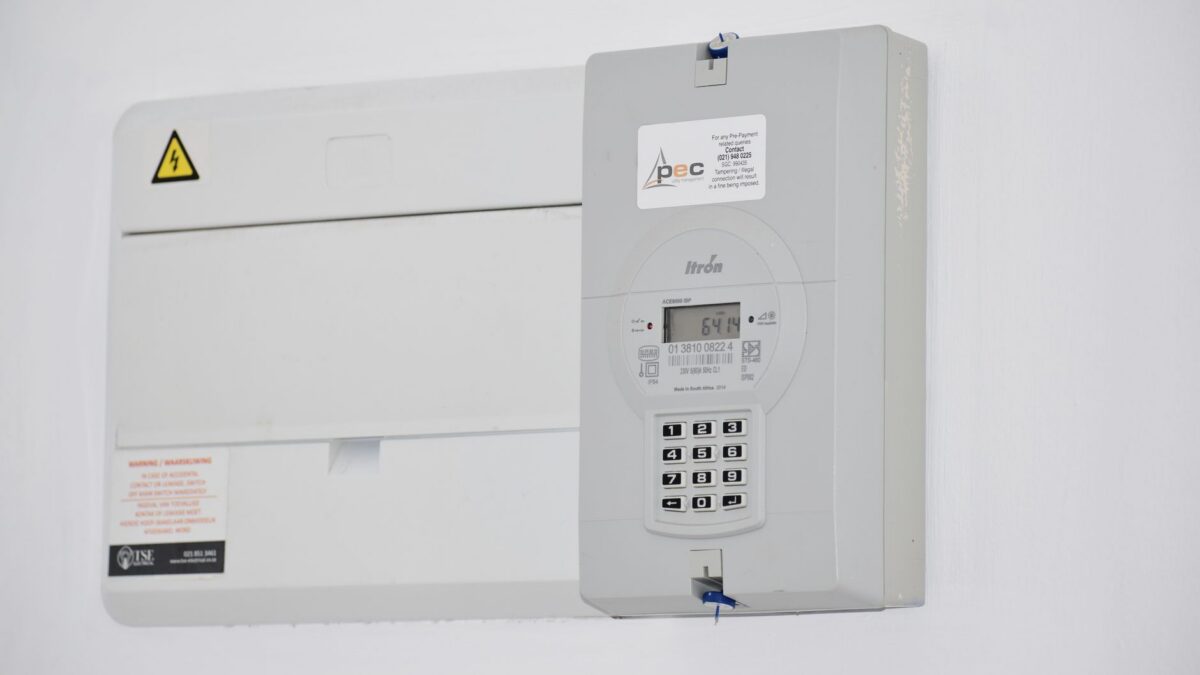
For electricity, most Italian homes now have a smart meter that sends readings automatically, so estimates are rarer than they were. Gas meters may still need a manual reading in some buildings. If your bill says consumo stimato (estimated consumption), check the meter and send the actual figure through the supplier’s app or website during the period it allows. A big correction after months of estimates can produce a large catch-up bill, so do it early.
Take photos of all meters on the day you move in and on the day you leave, and email them to yourself and the landlord. They protect you against bills for consumption that was not yours.
What if you want to stop or change supplier?
On the free market you can switch supplier at any time, and the new supplier handles the change with the old one. Check the terms for early-exit fees, which are less common on household contracts than they once were. When you leave the flat, ask the supplier to close the contract (disdetta) or transfer it to the next tenant (voltura), and send the final reading. Keep the confirmation: unpaid bills in your name remain your responsibility.
Beware of aggressive door-to-door or telephone sellers who ask for bill details. Never give your POD or PDR code to a caller you did not contact, and never sign a document on the spot. You have a right to withdraw from a contract signed outside business premises within 14 days.
Bottom line
Put electricity and gas in your name the first week, photograph the meter readings on move-in, and keep copies of the first bills as proof of address. Compare at least three free-market offers using the ARERA tool, and read the exit terms. If rent is on a regulated lease, see how your deposit protects both sides.
FAQ
Can I use my landlord’s contract?
You can ask to keep the current contract only if the account holder agrees. A change of holder (voltura) is the cleaner option.
Is the TV licence optional?
Only if you qualify for an exemption and file the declaration on time. Otherwise it is added automatically.
What if I disagree with a bill?
Send a written complaint to the supplier. If unresolved, you can use ARERA’s conciliation service.