Rome in Winter: Weather, Heating Rules and What to Pack
What winter in Rome is really like for residents and longer stays: weather, flat heating, damp and the off-season upsides.
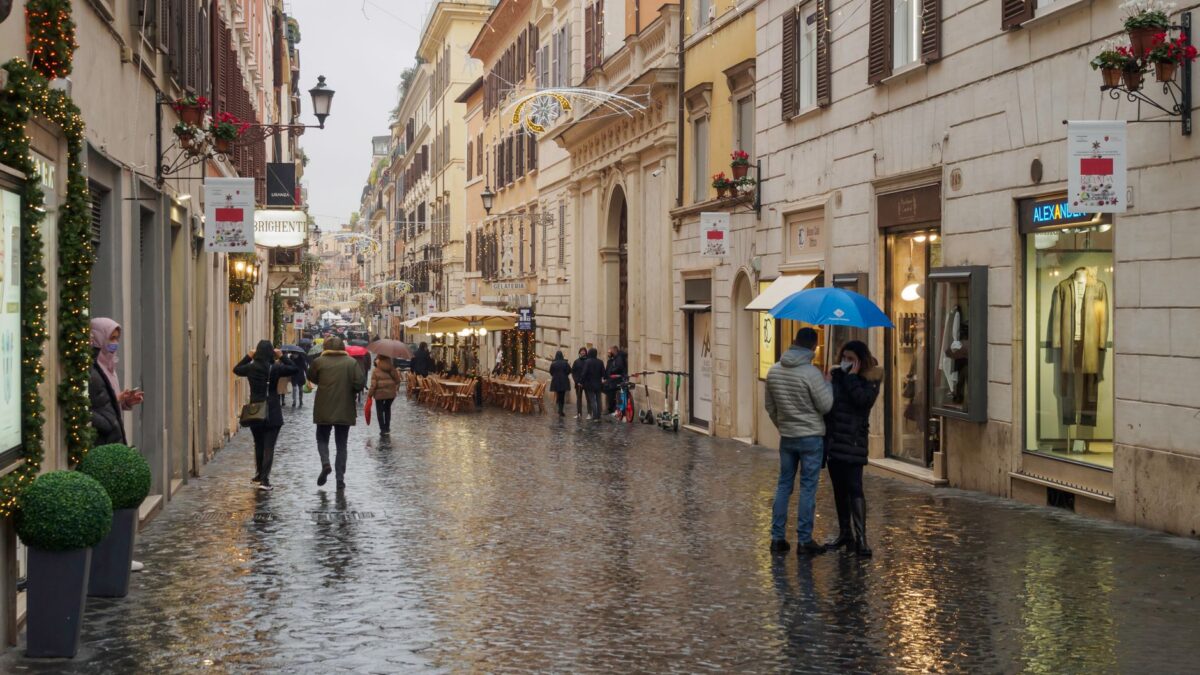
Rome’s winters are mild, grey and rainy rather than cold. Daytime highs from December to February are typically around 10-14 °C, nights drop to about 3-6 °C, and snow is rare. For residents the bigger issues are indoor cold and damp: flats are heated only during a legal season that Rome sets each year.
What is the weather in Rome from December to February?
These figures are typical climate ranges rather than forecasts. They come from long-term averages, which you should check against Italy’s national weather service before you travel, and they vary by year.
| Month | Typical daytime high | Typical night low | What it feels like |
|---|---|---|---|
| December | 12-14 °C | 4-6 °C | Cool, damp, short days |
| January | 11-13 °C | 3-5 °C | Coldest month, frost on some mornings |
| February | 12-14 °C | 3-5 °C | Cold spells possible, more sun |
November is usually the wettest month, with rain on many days. Winter sunsets arrive around 16:45 to 17:30, so plan outdoor sightseeing before dusk.
Does it snow in Rome?
Snow in the city is rare, and when it falls it is usually light and gone within hours. A few winters in recent decades brought heavier snow that disrupted buses, trains and schools, because the city is not set up for it. Wind and storms cause more regular disruption: fallen trees can close parks and roads, and the city has closed parks and cemeteries during weather alerts. Check Roma Capitale notices and ATAC announcements on atac.roma.it on windy days.
When is the heating switched on in Rome?
Italy divides its municipalities into climate zones (zone climatiche) that set the heating season and daily hours. Rome falls in zone D, where the national rule allows heating from 1 November to 15 April, up to 12 hours a day. Rome’s mayor can change the dates and hours by ordinance, and has done so recently: the start was moved to 15 November in 2024, and for 2025-26 the city announced a delayed start and a daily window with a reduced number of hours, according to Italian press reports. Check the 2026-27 ordinance on comune.roma.it, as the dates and hours are not fixed.
The rules apply mainly to centrally heated buildings. Flats with their own boiler (riscaldamento autonomo) generally follow the same season but the household controls the schedule within it. Outside the season you can usually heat only under specific exceptions, so check your building rules. In older buildings with a shared system (riscaldamento centralizzato), the building administrator (amministratore di condominio) sets daily hours within the city’s limits. If your lease says the flat has heating, ask which type you have and who controls it before you sign. Our guide to setting up utilities in Rome explains the bills.
How do you deal with damp and mould in a Rome flat?
Many older Roman flats have thick masonry walls, little insulation and single-glazed windows. In winter, indoor humidity rises because the air is mild and wet, and mould appears on cold walls, behind wardrobes and in bathrooms. Air the rooms for a few minutes twice a day, even in cold weather, keep furniture a few centimetres from outside walls, dry clothes in a ventilated room and use the bathroom extractor if there is one. A dehumidifier helps in small flats.
Under Italian law, structural damp is generally a matter between tenant and landlord, while ordinary upkeep falls on the tenant. If you see mould before you sign, photograph it and ask for the issue to be recorded in writing. For rental contracts, see our guide to rental contracts in Rome.
What should you pack and wear?
Layers work better than one heavy coat: a waterproof jacket, a sweater, a scarf, and shoes with a good grip, since cobblestones are slippery when wet. A compact umbrella is useful, though strong wind can break cheap ones. Indoors, many places, including churches and some museums, are cool, so keep a warm layer at hand. For longer stays, a small electric heater costs less to buy than to run, so check the energy cost with your landlord first.
What is cheaper in low season?
From January to early March, outside holidays, hotels and short-term flats are generally cheaper, queues at major sites are shorter and restaurants easier to book. Ticket prices at state sites do not change by season, but timed entry is easier to get on weekdays. Check your landlord’s winter rent terms if you are signing a short let. Holiday weeks around Christmas and New Year, and the carnival period in February, cost more.
Bottom line
Plan for rain and cool, damp flats rather than for snow. Ask about the heating system before you rent, buy a hygrometer to check humidity, and visit major sites in January and February, when crowds are lighter.
FAQ
Is Rome cold in January?
It is cool: typical highs are about 11-13 °C, with colder nights and an occasional frost. Dampness makes it feel colder.
Can I turn the heating on before 15 November?
Not freely in centrally heated buildings if the city has delayed the season. Individual-boiler flats may have more room; check the ordinance.
Do I need a winter coat in Rome?
A medium-weight waterproof coat with layers underneath is enough for most days.