Why Rome Is Called the City of Seven Hills: Which Hills Count
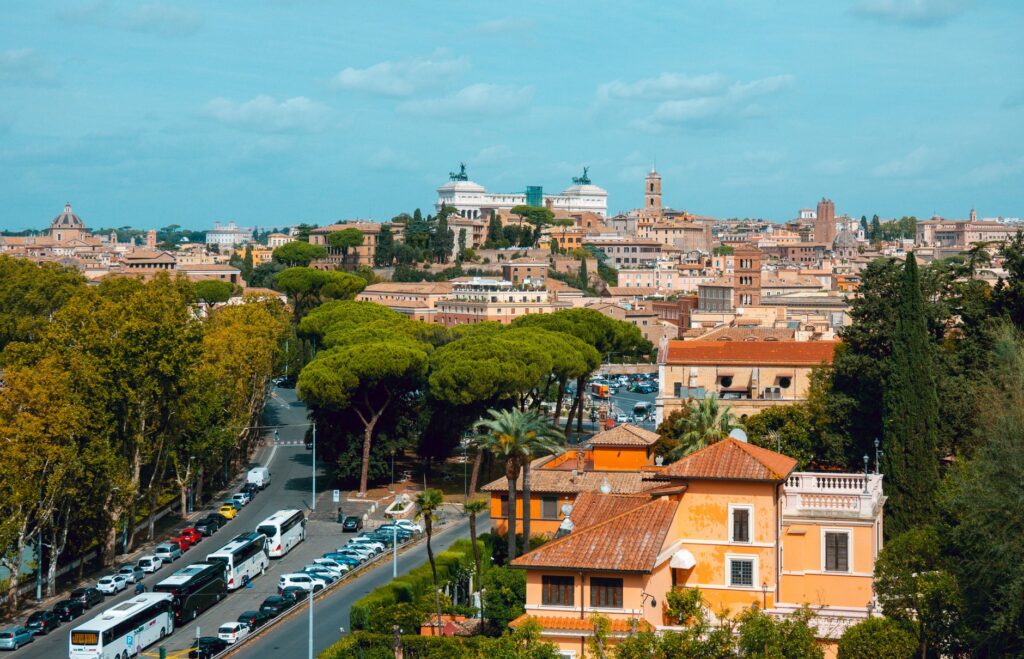
Rome's seven hills are the Aventine, Caelian, Capitoline, Esquiline, Palatine, Quirinal and Viminal. See what stands on each and why others are left out.
Monday 23 November 2026
Rome and Italy news in English, from the Eternal City outward.
Rome's seven hills are the Aventine, Caelian, Capitoline, Esquiline, Palatine, Quirinal and Viminal. See what stands on each and why others are left out.
The catacombs of Rome were underground cemeteries dug outside the city walls from the 2nd century. Why they were built, who used them and what myths to drop.
Rome's Tiber once flooded the Campus Martius to about 2 m. The 1875 law behind the stone embankments and Lungotevere boulevards, and what they replaced.
Germany occupied Rome in September 1943, killed 335 people at the Ardeatine Caves on March 24, 1944, and left on June 4. A short timeline with the sites.
Italian troops took Rome on Sept. 20, 1870 after a breach in the Aurelian Walls. Here is how Rome became capital of unified Italy, step by step.
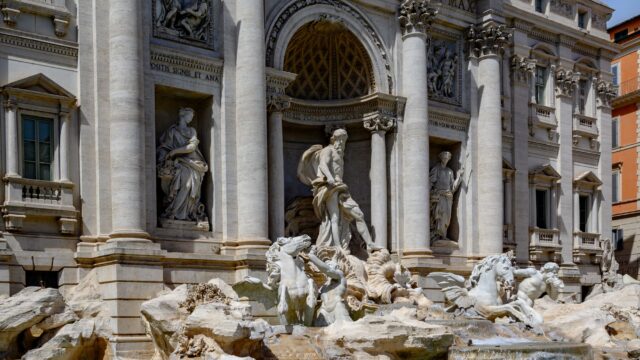
Nicola Salvi designed the Trevi Fountain and Giuseppe Pannini finished it in 1762. Read the history, the restorations and today's 2-euro ticket rule.
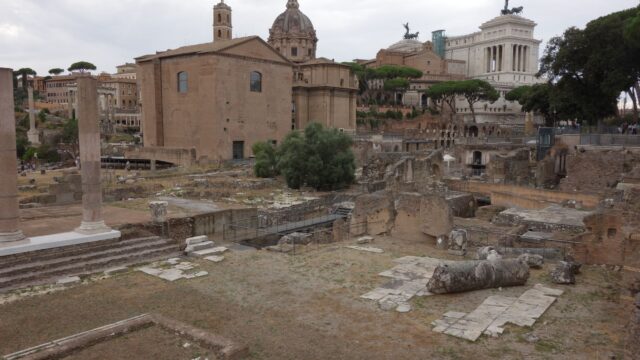
The Roman Forum began as a marshy lake that the Tarquins drained with the Cloaca Maxima. How it grew into Rome's centre, and what is left to see today.
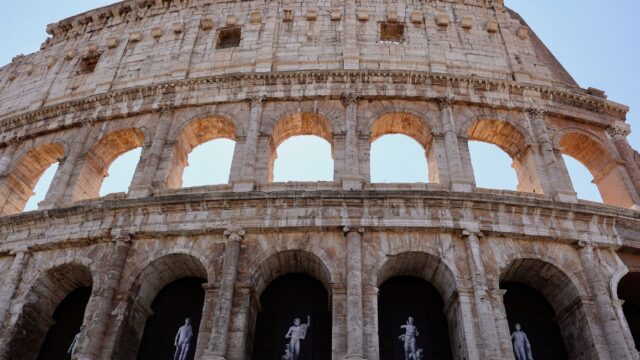
The Colosseum was begun by Vespasian in 72 and finished by Titus in AD 80. How it was used, where its name comes from and why only part of it stands.
We use analytics cookies to see which articles are read. No ads cookies. Privacy policy