Renaissance and Baroque Rome: The Popes Who Rebuilt the City
Julius II began the rebuilding of St. Peter's, Sixtus V cut new streets and Bernini shaped Baroque Rome. See what each left and where to find it.
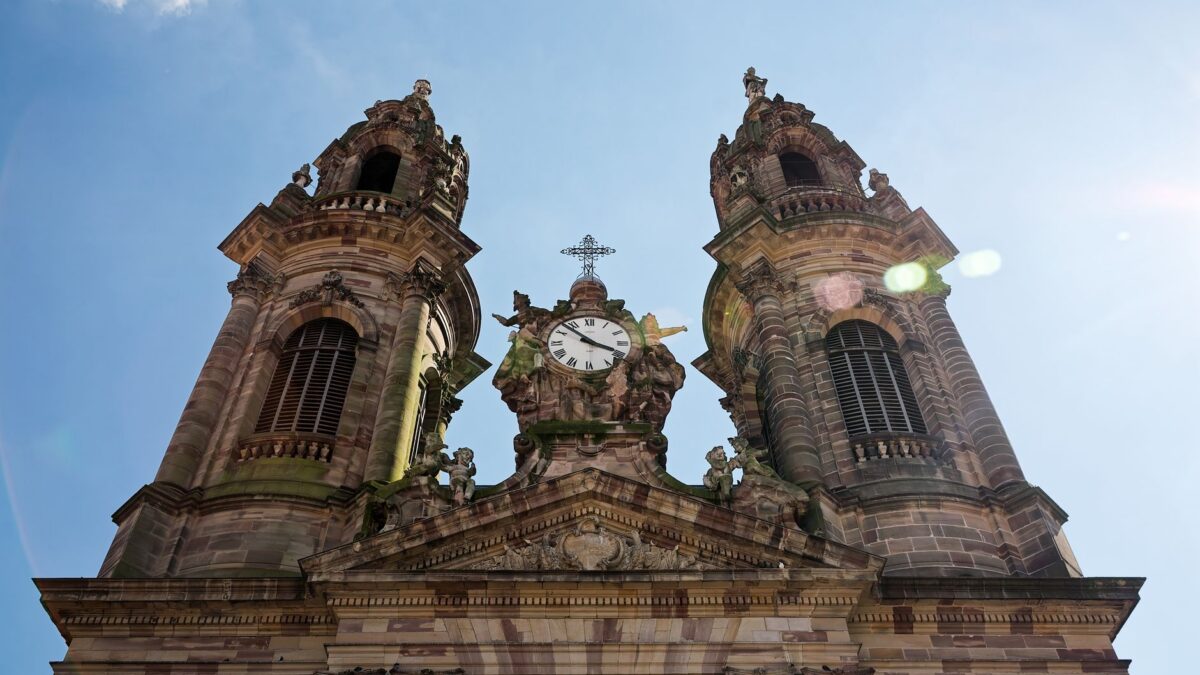
Much of the look of Renaissance and Baroque Rome traces back to three figures: Pope Julius II, who began rebuilding St. Peter’s Basilica; Pope Sixtus V, who cleared buildings to open new streets; and Gian Lorenzo Bernini, the sculptor and architect who worked for the popes of the 17th century. Each left buildings, rooms or street lines that visitors and residents can still see.
Who was Julius II and what did he build in Rome?
Julius II was born Giuliano della Rovere on Dec. 5, 1443, and was pope from Nov. 1, 1503, until his death on Feb. 21, 1513. He was nicknamed the Warrior Pope for his role in the Italian Wars, when the major powers of Europe fought for control of the peninsula, and he personally led the papal army at the siege of Mirandola. According to Wikipedia’s entry on Julius II, he also became one of the central figures of the High Renaissance.
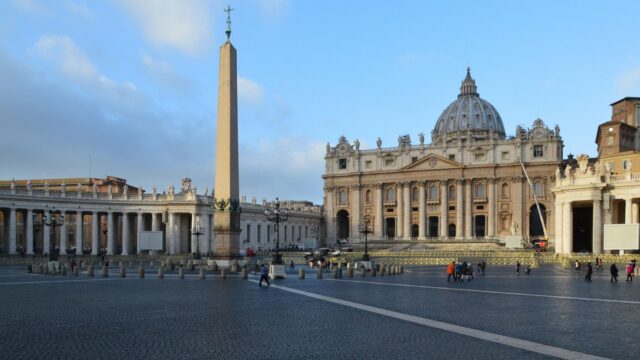
In 1506 he established the Vatican Museums and started the rebuilding of St. Peter’s Basilica. That year he also organized the Swiss Guard for his personal protection. Two years later, in 1508, he commissioned the Raphael Rooms and Michelangelo’s paintings in the Sistine Chapel.
The money came partly from indulgences. People seeking them were allowed to donate to the Church, and the funds went toward building St. Peter’s. After his death Erasmus of Rotterdam satirized him in Julius Excluded from Heaven. Julius II is buried in St. Peter’s Basilica.
Why is Sixtus V remembered as a city builder?
Sixtus V was born Felice Piergentile on Dec. 13, 1521, in Grottammare, the son of a gardener. He joined the Franciscans and became a cardinal under Pius V. During the papacy of Gregory XIII he lived in enforced retirement on the Esquiline Hill, in the Villa Montalto built by Domenico Fontana, which overlooked the ancient Baths of Diocletian.
He was elected pope on April 24, 1585, and crowned on May 1. Soon after he became pope he cleared buildings to open four new streets. Wikipedia’s article on Sixtus V describes the clearance as a relief for the congested medieval city. It also says the Romans who lost their homes were furious, and that resentment lasted for centuries. Rome had been through violent upheaval before, as the account of the sack of Rome shows, and the street plan he laid out is part of the background to Rome’s obelisks.
Sixtus V also went after lawlessness with severity, and thousands of brigands were brought to justice. One claim of the period held that heads on spikes across the Ponte Sant’Angelo outnumbered the melons for sale in the marketplace. To pay for his works he sold offices, set up a new “Monti” and levied new taxes, which built a large surplus. Some of the taxes proved ruinous, and the withdrawal of so much money from circulation caused distress.
His rebuilding programme still provokes controversy because it destroyed antiquities. The Villa Montalto itself was later demolished: Roma Termini railway station, inaugurated by Pius IX in 1863, stands on its site. Sixtus V died in Rome on Aug. 27, 1590.
What did Bernini add to Baroque Rome?
Bernini was born in Naples on Dec. 7, 1598, and died on Nov. 28, 1680. His father, the sculptor Pietro Bernini, received a papal commission in 1606 for a marble relief in the Cappella Paolina of Santa Maria Maggiore, and the family moved to Rome. Pope Paul V reportedly said of the boy, “This child will be the Michelangelo of his age.”
Cardinal Scipione Borghese, the pope’s nephew, became his patron, and the young Bernini rose quickly as a sculptor under that patronage. Wikipedia’s entry on Bernini credits him with creating the Baroque style of sculpture. He was also an architect and city planner. He designed churches, chapels and public squares, elaborate public fountains and funerary monuments, and temporary structures in stucco and wood for funerals and festivals.
Once in Rome he rarely left. The main exception was a five-month stay in Paris in the service of King Louis XIV. Pope Urban VIII told him, “You are made for Rome, and Rome for you.”
Where can you see their work today?
- St. Peter’s Basilica: the rebuilding began under Julius II, who is buried there.
- Vatican Museums, the Raphael Rooms and the Sistine Chapel: all trace to the commissions and foundations of Julius II.
- Roma Termini: the station stands where Cardinal Montalto’s villa once stood.
- Galleria Borghese: it holds early works from Bernini’s years under Scipione Borghese’s patronage. The garden piece The Goat Amalthea with the Infant Jupiter and a Faun is there too, though the gallery’s 2022 catalogue removed its attribution to him.
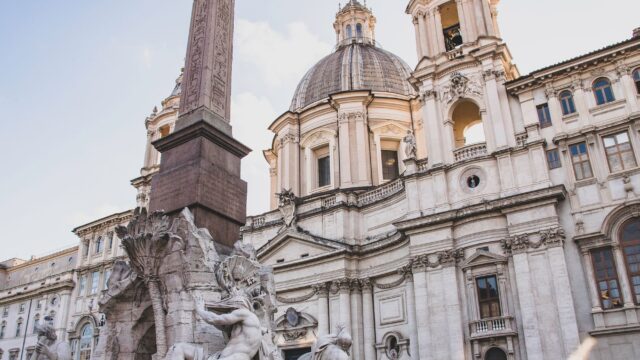
- Rome’s squares and fountains: Bernini designed several of them as part of his work as a city planner.
Quick answers
Which pope started rebuilding St. Peter’s Basilica?
Julius II began the rebuilding in 1506, the same year he established the Vatican Museums.
Why is Sixtus V’s rebuilding controversial?
It involved the destruction of antiquities, and its cost was met by heavy taxation that caused much suffering.
Who was Bernini’s patron in his early years in Rome?
Cardinal Scipione Borghese, nephew of Pope Paul V, supported the young Bernini and helped him rise to prominence as a sculptor.
Checked against official sources in November 2026. Hours, prices and rules change: confirm on the official page before you go or apply.