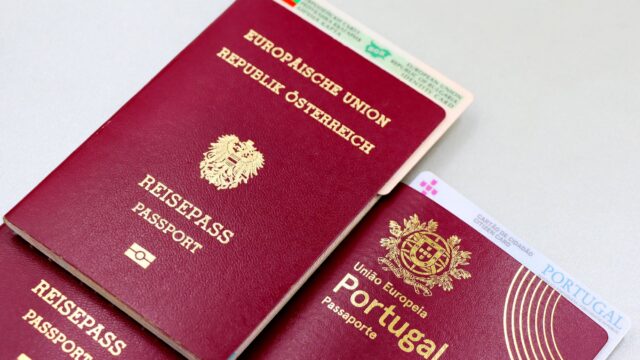
Carta d’Identità Elettronica in Rome: Booking, Fee, Steps
The CIE is the polycarbonate ID card used for travel inside the EU and for logging into public services. Here is how to get one in Rome.
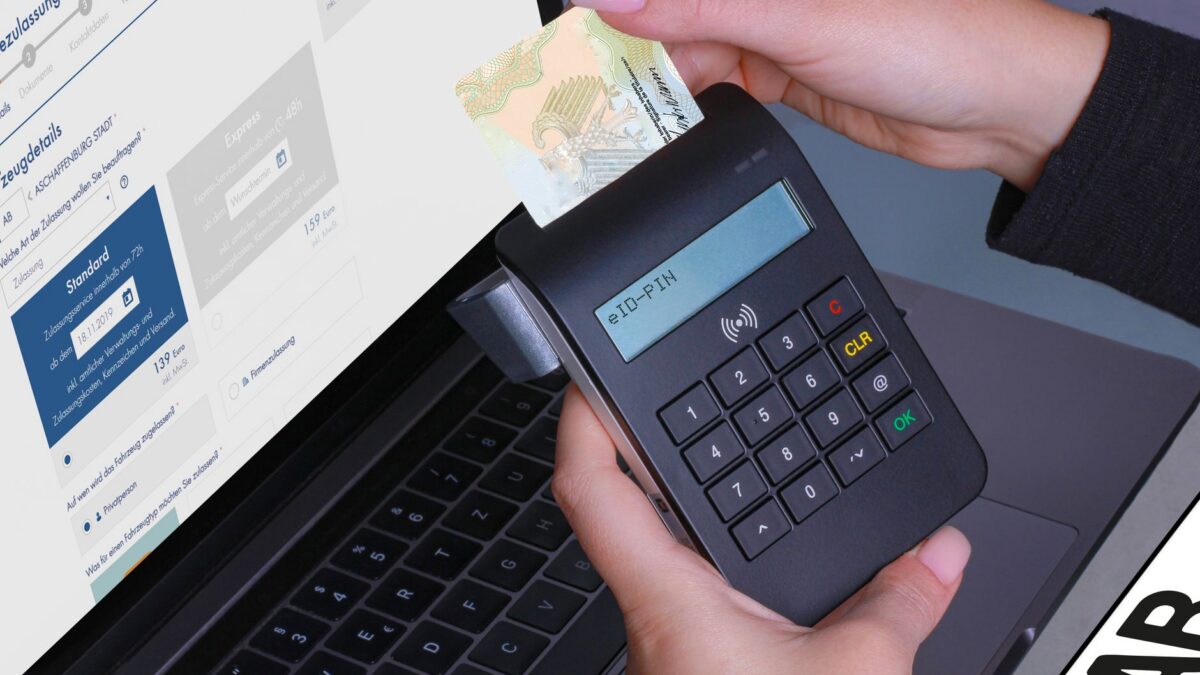
The carta d’identità elettronica (CIE, electronic identity card) is issued by the municipality where you are registered as a resident. Appointments are booked on the Interior Ministry’s portal, and the fee as of November 2026 is generally quoted at €22.21. The card is normally sent by post within a few working days.
Who can get a CIE in Rome?
The CIE is for people registered in the civil registry (anagrafe) of a municipality, so you first need residence. Italian citizens and EU citizens registered in Rome can apply. Non-EU residents should ask their municipio whether their permit type qualifies and which documents they should bring. The card is valid for travel inside the EU and several other countries, and it is the main way to prove identity in Italy. Adults receive a card valid for ten years.
If you have only just arrived and are not registered, start with the residence registration guide.
How do you book an appointment in Rome?
The Interior Ministry runs the national booking system at prenotazionicie.interno.gov.it. Roma Capitale directs residents there. You choose a municipio office, pick a slot and receive a confirmation. Appointment availability in Rome has been a recurring problem: in November 2025 the news agency AGI reported on long waits, and Rome has held open days and temporary stands without booking. Check Roma Capitale’s page for current options before assuming a stand is open. Booking early is the main lever you have.
What documents and fee do you need?
| Item | Detail |
|---|---|
| Valid ID or the expired card | Bring the old card if you are renewing |
| Passport-style photo | Recent, front-facing, plain background; the office can reject poor photos |
| Health card (tessera sanitaria) | Used to verify the codice fiscale |
| Fee | €22.21 for a first issue or renewal at expiry, as of November 2026; a replacement after loss or theft may cost more, check with the office |
| Loss or theft | Police or carabinieri report and the declaration of the loss |
The fee is set nationally, though some municipalities add small administrative charges and special open days have used different sums. Payment is normally by card or at the municipal counter on the day. Ask when booking whether the office takes cards. For the current rule see the Roma Capitale site.
What happens at the appointment?
- The clerk checks your documents and takes your photo or scans yours.
- You give two fingerprints for the card’s chip.
- You pay the fee and receive a receipt with the first half of your PIN and PUK.
- The card is produced centrally and sent to your address or to the office you chose.
- The second half of the PIN and PUK arrives with the card by post.
The CIE comes with a PIN (to log in) and a PUK (to unlock the PIN). Combine the two halves and store them safely; if you lose both, you need a new card. The appointment receipt is not a substitute for the card on a trip, since airlines and border staff expect the card itself, so book the appointment well before travel.
How long does it take?
The official guidance is that the card is delivered within about six working days of the appointment. Delays happen, and the receipt lets you track the card on the Interior Ministry’s site. If it does not arrive, contact the municipio that took your application.
What should you check on the card when it arrives?
Look at the printed name, birth date, place of birth and address. Errors in the address are common when you moved recently, and the card carries the address of your registered residence. If you later change address, ask your municipio how the card is updated. The chip also stores your fingerprints, which is why you should keep the card away from heat and bending.
What can you use it for?
You can use the CIE as ID in Italy, for EU travel and for logging into public services through the CIE app on a phone with NFC, without a separate username. It is one of the two ways, with SPID, to access most online services. The bureaucracy guide explains how SPID, PEC and PagoPA fit together.
What if you lose it?
Report the loss or theft to the police or carabinieri and block the card through the freephone line listed on the Interior Ministry’s CIE site. Then book a replacement appointment and bring the report. The fee for a replacement is higher; confirm the amount with the office.
Bottom line
The process is simple once you have a slot. Book the appointment as soon as your registration is recorded, and photograph the receipt of PIN and PUK before you file it. Activate the CIE app straight after the card arrives, because the PIN halves are easy to misplace.
FAQ
Is the CIE mandatory?
Residents must have an ID document. The CIE is now the standard version, and the old paper card is being phased out.
Can children get a CIE?
Yes. Minors can have one, with a parent present and validity shorter than the adult card. Ask the office for the exact rules.
Does the CIE replace a passport?
For travel inside the EU in many cases, yes. For travel to other countries you still need a passport, and non-EU permits are separate documents.
Where is my tessera sanitaria?
If you lost it, see the health card guide for how to get a replacement.