Italian Bureaucracy for Newcomers: SPID, CIE, PEC and Stamps
The acronyms and documents that come up in almost every Italian procedure, explained once, with a short routine for handling offices.
Most Italian paperwork now runs on a small set of tools: a digital identity (SPID or CIE), a certified email address (PEC), online payments through PagoPA, and sometimes a revenue stamp called the marca da bollo. Knowing what each does, and which office wants which, saves most of the wasted trips.
What are SPID and CIE, and which one do you need?
SPID (Sistema Pubblico di Identità Digitale) is a single login for public services, provided by several approved companies. You usually need a codice fiscale (tax code), an identity document, an Italian mobile number and an email address. Some providers allow identification online, by video, or at a post office or other desk. Fees and renewal charges differ by provider, so compare them before choosing, and check the current list on the official SPID site.
CIE (Carta d’Identità Elettronica) is the electronic identity card. You can use it to log in through a phone app or with a card reader once you have its PIN and PUK codes. If you hold one, you may not need SPID. Our guide to the electronic ID card in Rome explains how to apply.
Both give access to the same services, such as the INPS portal, the Revenue Agency account, the health file (Fascicolo sanitario elettronico), the school enrolment platform and the city’s online services. Some services still accept only one of the two, so check before you apply.
What is a PEC and when do you need it?
PEC (Posta Elettronica Certificata) is certified email with legal value, similar to registered mail. Companies and professionals must have one. Private individuals do not have to, but you may need one to contact an office, to sign up for some digital services or to formally challenge a fine or a decision. A PEC address from a provider usually costs a small yearly fee. A normal email does not count as proof of receipt.
What is the marca da bollo?
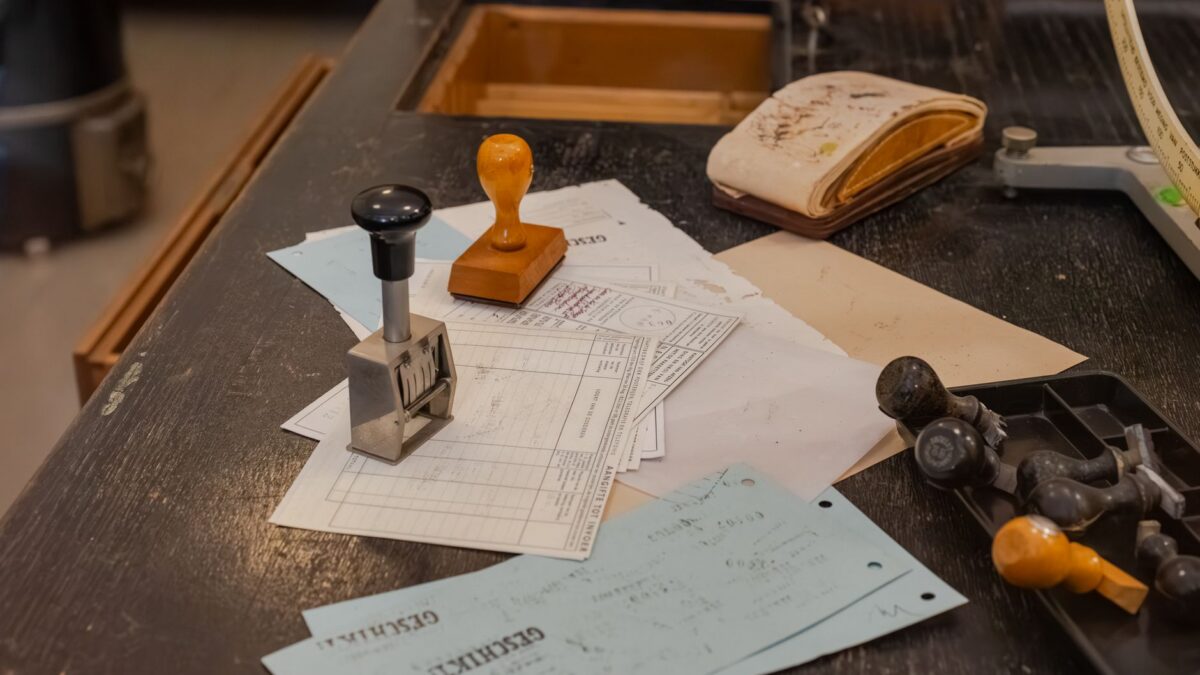
The marca da bollo is a revenue stamp that represents stamp duty. It is required on many applications to public bodies and on some documents and certificates. The usual amount is 16 euros as of November 2026, and some documents need a different amount, so ask the office. You can buy a paper stamp from a tobacconist (tabaccheria) or pay online and receive a digital code, which you enter in the form. Exemptions exist for some cases, and the form or office tells you which.
How do PagoPA payments work?
PagoPA is the national platform for paying public bodies. Offices issue a payment notice with a code. You can pay online through your bank’s app or website, at a tobacconist, at a post office or at some banks, using the code or QR on the notice. The payment is recorded in the same system, so the office can confirm it. Keep the receipt, because you may be asked for it later. The city’s tax and fine notices often use it too.
What are autocertificazione, apostille and sworn translations?
| Term | What it is | When it comes up |
|---|---|---|
| Autocertificazione | A signed statement in which you declare facts, such as residence or family status, instead of presenting a certificate | Italian public offices must generally accept it for facts they can verify themselves |
| Apostille | An international stamp that certifies a foreign public document is genuine, under the Hague Convention | Foreign birth, marriage or education documents |
| Sworn translation (traduzione giurata) | A translation certified in court by a translator | Foreign documents that an Italian office needs in Italian |
Autocertificazione has limits. For documents issued abroad, offices often ask for an apostilled original and a sworn translation, so ask which route the office accepts. The foreign ministry’s page at esteri.it lists the legalisation rules for documents used in Italy.
How should you approach an Italian office?
- Find the official page for the procedure and note the exact name of the form.
- Check whether the service needs an appointment, a digital login or a tax code. Many procedures, such as the codice fiscale, have an online or appointment route.
- Prepare originals and photocopies of each document, passport, residence permit and proof of address.
- Book an appointment through the office’s portal, since walk-ins are often turned away.
- Ask for a receipt or protocol number (numero di protocollo) every time you submit something, and keep it.
- For a health registration, follow the steps in SSN registration in Rome.
What mistakes do newcomers often make?
The most common is arriving without an appointment or with the wrong stamp. Another is paying a fee through an unofficial site that charges extra, so use the payment link on the official office page. A third is keeping only digital copies, since some counters still want paper originals. Finally, many people forget to renew a SPID account, which can expire, or to update their address after moving, which affects letters, fines and tax notices. When a document has a validity period, such as a residence certificate or a criminal record certificate, check how recent it must be before you request it, because an old copy may be refused.
Bottom line
Set up a digital identity and a PEC address first. They unlock the online route for most procedures, and you can then handle everything from home. Print one folder with copies of your passport, residence permit, codice fiscale, proof of address and payment receipts. When an office asks for something unusual, request the legal basis or the official page in writing, politely. Offices differ, but a protocol number protects you.
FAQ
Can foreigners get SPID?
Yes, if they have a codice fiscale, an identity document accepted by the provider and an Italian mobile number. Providers publish exact requirements.
Do I need both SPID and CIE?
No. One is enough for most services, though a few accept only one of them.
Where do I buy a marca da bollo?
At tobacconists, and in digital form through approved payment platforms. The Revenue Agency’s site, agenziaentrate.gov.it, explains the process.
Can I use autocertificazione with a foreign document?
Not always. Citizens of non-EU countries can self-declare facts that Italian bodies can verify, and for other facts offices usually want an apostille and translation.