How Rome Became Italy’s Capital in 1870: The Porta Pia Breach
Italian troops took Rome on Sept. 20, 1870 after a breach in the Aurelian Walls. Here is how Rome became capital of unified Italy, step by step.
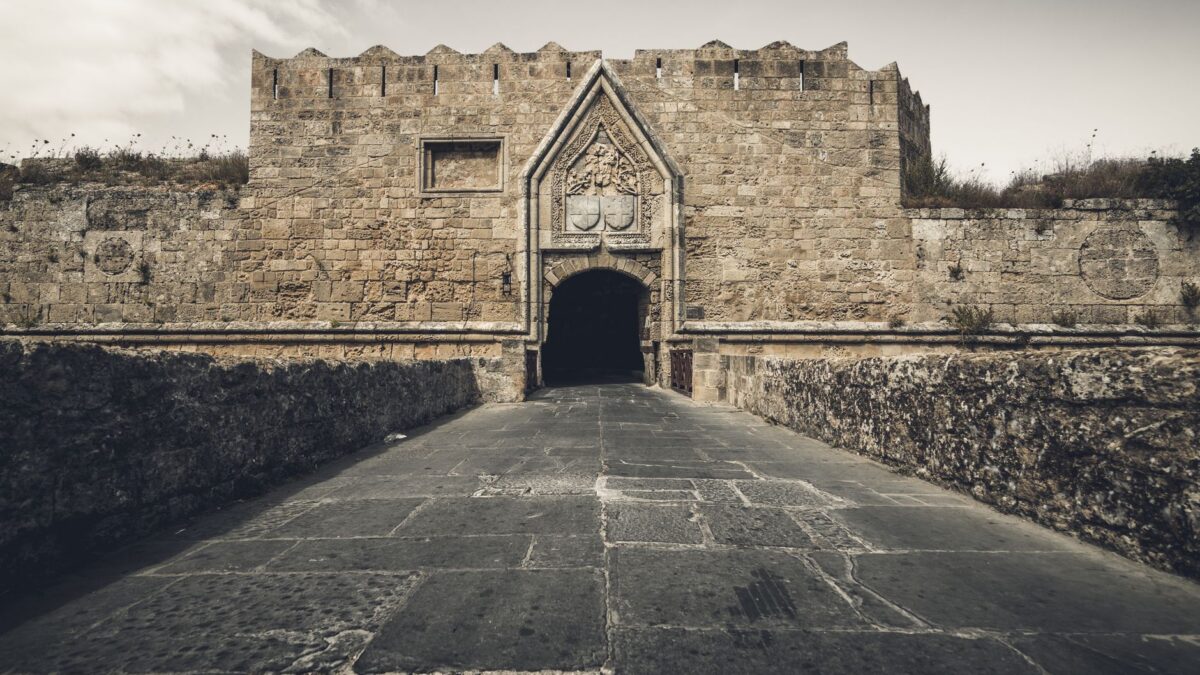
Rome became the capital of unified Italy in two steps. Forces of the Kingdom of Italy took the city on Sept. 20, 1870, after a breach opened in the Aurelian Walls near Porta Pia. After a plebiscite on Oct. 2, 1870, Rome was officially made capital on Feb. 3, 1871. The episode ended the Papal States, which had existed since the Donation of Pepin in 756, according to the Wikipedia article on the capture of Rome.
The date is still on Italian street signs. Italian towns, especially cathedral cities, commemorate it by naming streets Via XX Settembre (spoken “Via Venti Settembre”).
Why was Rome not part of Italy in 1861?
The Kingdom of Italy was proclaimed on March 17, 1861, after Garibaldi’s Expedition of the Thousand brought the Kingdom of the Two Sicilies into the fold. Rome and the surrounding region of Lazio were missing. They remained part of the Papal States under Pope Pius IX. Veneto was also outside the kingdom at that point: Austria ruled it until its annexation in 1866, after the Third Italian War of Independence.
Parliament, meeting in Turin, declared Rome the capital on March 27, 1861. That declaration was symbolic, because the government could not take up its seat in a city it did not control. A French garrison sent by Emperor Napoleon III also protected the pope in Rome.
What did Cavour and Ricasoli want?
Camillo Benso, Count of Cavour, the first prime minister of Italy, believed unification would be incomplete without Rome as the capital. He died soon after the kingdom was proclaimed and left the Roman question to his successors. One of them, Bettino Ricasoli, put the argument this way: going to Rome was “an inexorable necessity.” Cavour’s formula for the relationship between church and state was “A free Church in a free State”: the Church would be free in spiritual matters and leave politics to the state.
How did the Franco-Prussian War change things?
In July 1870 France declared war on Prussia, and by early August Napoleon III had recalled his troops from Rome. France needed them at home. Italy, which had already sided with Prussia in 1866, was able to stay neutral. The situation changed radically after the French emperor surrendered with his army at Sedan on Sept. 2. He was captured and deposed, and the new French Republic had neither the military means nor the political will to protect the pope.
The First Vatican Council, which opened in 1869, had affirmed the doctrine of papal infallibility on July 13 and 18, 1870. Many bishops then left Rome, and the council never met again. It was formally closed on Oct. 20, 1870.
What happened in September 1870?
In early September, King Victor Emmanuel II sent Count Gustavo Ponza di San Martino to Pius IX with a proposal to let the Italian army enter Rome peacefully, presented as protection for the pope. Prime Minister Giovanni Lanza’s ten articles came with it. They would have left the pope with sovereign inviolability and the Leonine City, guaranteed his communication with the Catholic world, and put papal civil servants and soldiers on the state payroll.
San Martino was received on Sept. 10, and the meeting went badly. The pope threw the king’s letter on the table and predicted that the Italians would never enter Rome. The next day, Sept. 11, Italian troops under General Raffaele Cadorna crossed into the Papal States. They occupied the port of Civitavecchia on Sept. 16, while the papal garrisons pulled back from Orvieto, Viterbo, Alatri, Frosinone and other strongholds in Lazio. The government still hoped to avoid taking the capital by force, so Cadorna sent a final appeal before the assault.
What happened at the walls on Sept. 20?
The appeal did not change the outcome. On Sept. 20 the Royal Italian Army opened a breach in the Aurelian Walls and entered Rome. The Italian side fielded 50,000 soldiers against 13,157 on the papal side. Italian losses were 49 killed and 132 wounded, and papal losses were 19 killed and 68 wounded. A photograph from Sept. 21 shows barricades at Porta San Giovanni after the breach.
How did Rome become the capital after the fighting?
A plebiscite on Oct. 2, 1870 approved the annexation of Rome and Lazio. On Feb. 3, 1871, Rome was officially made capital, which completed the Risorgimento, the movement for Italian unification. The end of the Papal States also ended the temporal power of the Holy See, meaning the pope’s rule as a political sovereign over a territory.
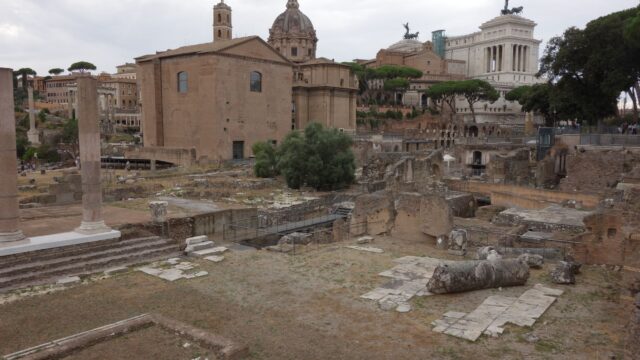
The city’s older layers explain why the new capital was built on top of so much history. For the ancient city that the Italian state inherited, see this article on how the Roman Forum grew from a marsh.
Quick answers
When did Italian troops take Rome?
On Sept. 20, 1870, after a breach in the Aurelian Walls. Italian troops had entered the Papal States on Sept. 11.
When did Rome become the official capital?
On Feb. 3, 1871, after the plebiscite of Oct. 2, 1870. Parliament had already declared Rome the capital on March 27, 1861, but the government could not sit there until the city was taken.
Why did France not defend the pope?
Napoleon III recalled the French garrison in early August 1870 for the war with Prussia. After his defeat at Sedan on Sept. 2, the republican government that replaced him lacked the means and the will to intervene.
Checked against official sources in November 2026. Hours, prices and rules change: confirm on the official page before you go or apply.