Trenitalia vs Italo from Rome: Routes, Fares and Changes
Two companies sell high-speed tickets out of Rome. Prices, flexibility and apps differ, so compare them for the same date.
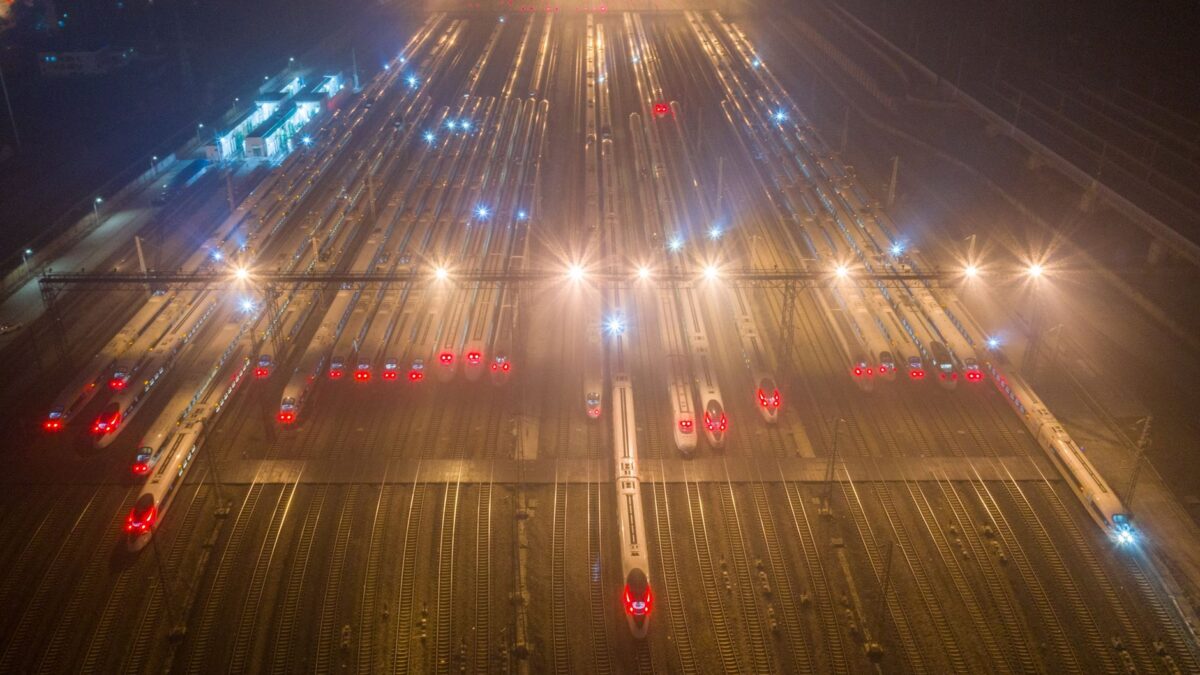
Trenitalia and Italo both run high-speed trains from Rome Termini to Florence, Naples, Milan and Venice. Rome to Milan takes roughly 3 hours 10 minutes to 3 hours 30 minutes on either, and advance fares start from about €29 on the cheapest Frecciarossa tickets (as of November 2026). Neither is always cheaper, so compare both for your date and time.
Which routes do Trenitalia and Italo cover from Rome?
Trenitalia, the state operator, runs Frecciarossa, Frecciargento, Intercity and regional trains, so it serves both big cities and small towns. Italo is a private operator with fewer destinations, mostly high-speed routes on the main lines. Both serve Florence, Bologna, Milan, Naples and Venice from Roma Termini, while Some trains, especially Italo’s, may use Roma Tiburtina instead, so check the station on your ticket.
| From Rome to | Approx. high-speed time | Both operators? |
|---|---|---|
| Florence | About 1.5 hours | Yes |
| Naples | About 1.2–1.5 hours | Yes |
| Milan | About 3.1–3.5 hours | Yes |
| Venice | About 3.7–4 hours | Yes |
Times are approximate and depend on the train. Check the timetable on trenitalia.com or italotreno.it.
How do the fares and ticket types compare?
Both companies use dynamic pricing: the earlier you buy, the cheaper the ticket, and fares rise as seats fill. Trenitalia sells low-cost, economy and flexible fares on its fast trains, while Italo sells fare levels such as Smart, Comfort and Premium, with Prima on some trains. Names and conditions change, so read the conditions shown at the moment of booking.
Guides report that Italo offers promotions that beat Trenitalia on some days by €10 to €20, and the reverse also happens. The safest approach is to check both sites for the same train times.
Can you change or refund a ticket?
Cheaper fares usually carry stricter rules: low-cost fares often cannot be refunded, economy fares may allow a partial refund or a change for a fee, and flexible fares allow changes and refunds with fewer limits. On Italo, refundable tickets are usually under the flexible option. If the operator cancels the train, you are normally entitled to a refund or an alternative. We could not confirm the exact 2026 conditions for each fare, so read them before paying and keep your booking email.
Which apps and tickets do you need?
Both operators have apps and websites in English and issue digital tickets with a QR code. You do not need to print anything. Trenitalia regional trains use separate tickets that must be validated at the platform machine unless they carry a fixed date and time. Italo and Frecciarossa tickets are for a specific train and need no validation.
What happens during strikes?
During a national rail strike, both operators run a reduced timetable of guaranteed trains. Tickets for cancelled trains can be refunded or changed in line with the operator’s rules. See our strikes guide to find dates, and check the operator’s page the day before you travel. Italo and Trenitalia often have different numbers of guaranteed services, so it can be worth checking both if you are flexible.
How do you get to Termini?
Termini connects to Lines A and B of the Rome metro, to buses and to the Leonardo Express. Arrive at least 20 to 30 minutes early: the station is large, platforms are shown on boards only shortly before departure, and crowds build up.
Which is better for which kind of trip?
For a day trip to Florence or Naples, where the journey is short and fares are modest, either company works, and the right choice is the train that fits your schedule. For a long trip to Milan or Venice, compare the price difference with the flexibility you need, because a few euros saved on a non-refundable fare can disappear if your plans move.
For small towns and regional destinations, such as Orvieto, Viterbo or Civitavecchia, Trenitalia’s regional trains are the practical choice, and tickets are cheap and often bought at machines on the day. For a multi-city trip, check whether the same operator covers all legs. Mixing the two is fine, but changes on a missed connection are not covered by the other operator’s ticket.
If you travel with bulky luggage, check each operator’s luggage rules and seat classes. Both have luggage racks and space at carriage ends, but fast trains fill up on Friday and Sunday evenings, so reserve in advance. Arrive early on those days, since platform changes are announced late and the station fills quickly. If you hold a seat reservation, check the carriage number on the board and on your phone before you board, because coaches are numbered from either end of the train and the order differs by service.
Bottom line
For a fixed trip, buy early and compare both sites on the same day. If your plans may change, a flexible fare can be cheaper than a missed low-cost ticket. If you need a small town or a regional line, Trenitalia is often the only option.
FAQ
Is Italo cheaper than Trenitalia?
Sometimes. Prices depend on date, time and demand, so compare both.
Do I need to validate my ticket?
High-speed tickets for a specific train do not require validation. Regional tickets without a set time usually do.
Can I use the same ticket on both companies?
No. Each ticket is valid only on the issuing operator’s trains.
Which station do I use?
Most trains leave from Roma Termini, but check your ticket for the station name.