Rome Metro Lines Explained: A, B, B1 and C with Key Stops
Four lines, a handful of key interchanges and a historic centre the metro mostly skips. Here is how the network works.
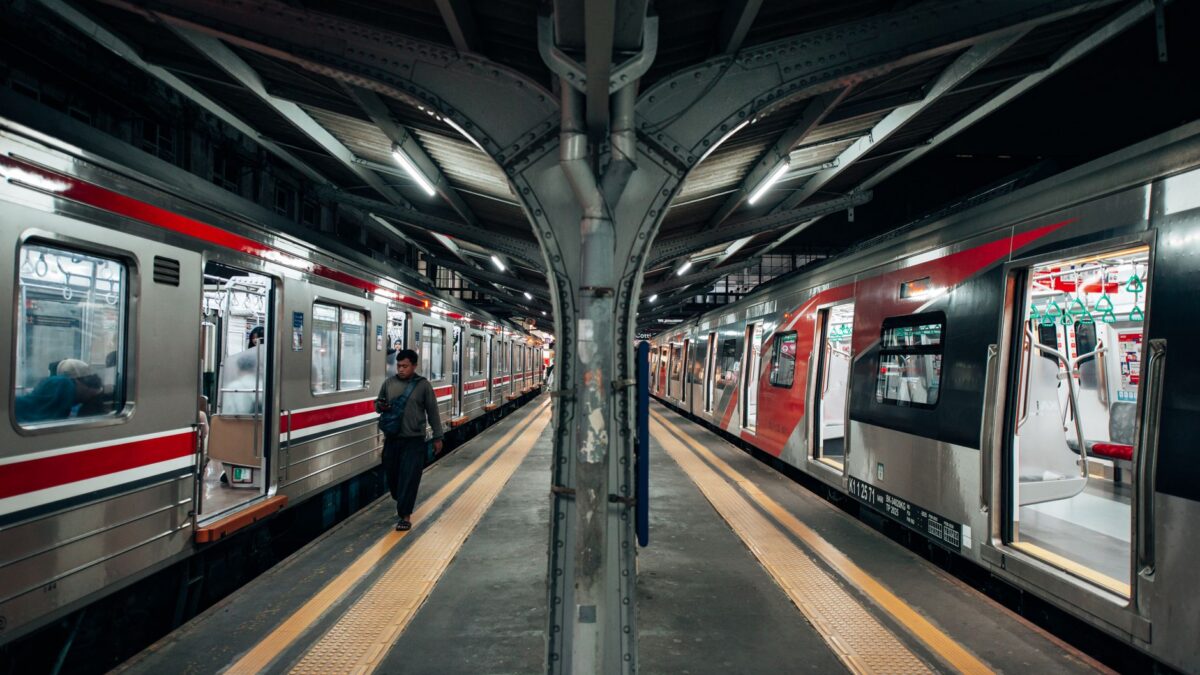
Rome’s metro has four lines: A (orange), B and its branch B1 (blue), and the newer Line C (green). Lines A and B cross at Termini station, and Line C meets Line A at San Giovanni. The Colosseum is served by Line B at Colosseo, while Line A reaches the Vatican area at Ottaviano and Spagna for the Spanish Steps.
Which metro lines does Rome have?
| Line | Colour | Route in short | Useful stops |
|---|---|---|---|
| A | Orange | Battistini to Anagnina | Ottaviano (Vatican), Spagna, Barberini, Termini, San Giovanni |
| B | Blue | Rebibbia (or Jonio via B1) to Laurentina | Termini, Cavour, Colosseo, Circo Massimo, Piramide |
| B1 | Blue | Branch from Bologna station to Jonio | Bologna, Libia, Conca d’Oro |
| C | Green | Monte Compatri-Pantano to San Giovanni, with a central extension | San Giovanni, Colosseo/Fori Imperiali, Porta Metronia |
Line A’s centre stops are the ones most visitors use. Line B is the one for the Colosseum, the Circo Massimo and Piramide, where you change for the train to Ostia Antica.
Where do the lines interchange?
Line A and Line B cross at Termini, Rome’s main railway station, which is also the hub for most buses. Line C and Line A meet at San Giovanni. Line B1 splits from B at Bologna. Line C’s new central stations Colosseo/Fori Imperiali and Porta Metronia opened on 16 December 2025, according to most press reports, and the first of them sits near the Colosseum and the Forum.
What is the status of Metro C’s extension?
As of November 2026, Line C reaches Colosseo/Fori Imperiali and Porta Metronia. ATAC announced works in September 2026 to extend the lifts to the intermediate museum level of Colosseo/Fori Imperiali, with temporary changes between 7 and 20 September 2026. Further extension towards Piazza Venezia and Largo Argentina and beyond is a long-term project, and no opening dates for it should be treated as certain. Check atac.roma.it for current service notes.
The two new stations also host archaeological displays. The timing of the museum opening at Porta Metronia has been reported differently, so check the station notices rather than a printed guide.
Why does the historic centre have no metro line?
Digging in Rome means digging through layers of ancient and medieval remains. Works regularly uncover archaeological finds that must be studied and protected before construction continues. That is the main reason the lines skirt the old centre and why Line C has taken so long. For the centre itself, walking, buses and trams remain the practical options.
When does the metro run?
As a rule the metro opens early in the morning and closes late in the evening, with later closing on some Friday and Saturday nights. Exact first and last trains vary by line and by season, and changes are announced for holidays, events and works. We could not confirm the current timetable against the official sources for this article, so check the hours on the ATAC site before planning a late return. A BIT ticket covers one metro entry within its 100 minutes.
Is the Rome metro safe? Pickpockets on Line A
The metro is widely used and generally safe, but pickpocketing is a recurring problem on crowded trains, especially on Line A near Termini, Barberini, Spagna and Ottaviano. Keep bags zipped and in front of you, avoid putting phones in back pockets, and move away if people crowd you at the doors. If something happens, report it at the nearest police station or on 112 (the single European emergency number).
How do you reach the main sights by metro?
- Colosseum and Roman Forum: Line B to Colosseo, or Line C to Colosseo/Fori Imperiali.
- St Peter’s Basilica: Line A to Ottaviano, then about ten minutes on foot.
- Vatican Museums: Line A to Ottaviano or Cipro, then walk along the museum walls.
- Spanish Steps: Line A to Spagna. Barberini is the stop for the Trevi Fountain area, roughly a 10-minute walk.
- Circus Maximus and Baths of Caracalla: Line B to Circo Massimo.
- Ostia Antica: Line B to Piramide, then the Roma-Lido train on the same BIT ticket.
- Termini station: Lines A and B, and the starting point for most regional and long-distance trains.
The Pantheon, Piazza Navona and Campo de’ Fiori have no metro station close by. The usual approach is to get off at Barberini or Spagna and walk, or to use a bus from Termini.
How do you use the metro for the first time?
- Buy a ticket or pass; see the ATAC tickets guide.
- Follow the signs for your line and direction. Directions are named after the terminus, for example “Anagnina” or “Battistini” on Line A.
- Check the platform display for the next train, since frequency varies through the day.
- Let people exit before you board, and keep your ticket until you leave the station gates.
Bottom line
Plan Rome around two metro axes: Line A for the Vatican, Spanish Steps and Termini, and Line B for the Colosseum and Circo Massimo. Use Line C only when your destination is near San Giovanni or the new Colosseo/Fori Imperiali station. When time matters, build in a buffer, because strikes and unexpected closures are more common than the map suggests; see our strikes guide.
FAQ
Which metro line goes to the Vatican?
Line A, to Ottaviano (for St Peter’s) or Cipro (for the Vatican Museums). Both are a short walk from the entrances.
Which metro station is for the Colosseum?
Colosseo on Line B. Line C now also has Colosseo/Fori Imperiali, a separate station near the same area.
Does the metro go to the airports?
No. Fiumicino and Ciampino are served by trains and buses. See our guides to Fiumicino and Ciampino.
Can I use the same ticket on all four lines?
Yes. ATAC’s integrated tickets cover Lines A, B, B1 and C inside the city.