Pharmacies in Rome: Hours, Night Duty and What You Need
How to find an open pharmacy in Rome at night, what you can buy without a prescription and how to read an Italian medicine box.
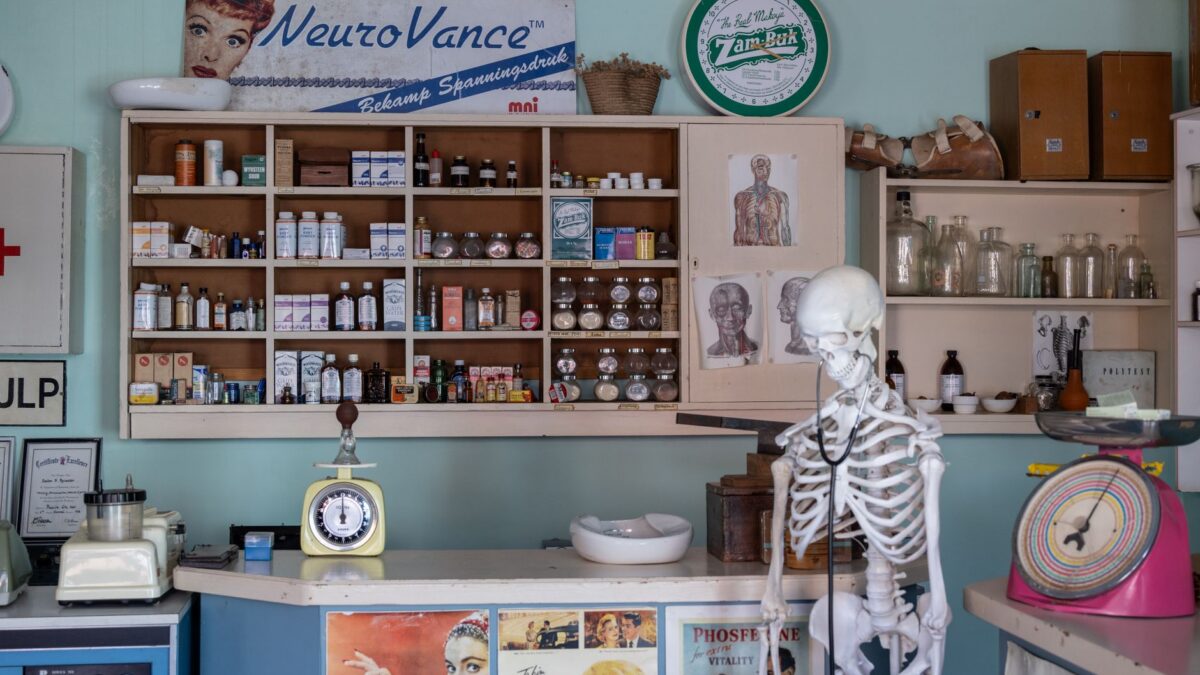
Pharmacies (farmacie) in Rome normally open in the morning and again in the afternoon, closing for a long lunch break. Outside those hours, a rota system (farmacia di turno) keeps selected pharmacies open at night and on holidays. A green cross sign marks the shop, and the on-duty list is posted on the door.
What are the usual opening hours of pharmacies in Rome?
Most pharmacies open around 8:30 or 9:00, close for lunch from about 13:00 to 16:00 and reopen until around 19:30 or 20:00, Monday to Saturday. Many are closed on Sundays and public holidays, except those on duty. Hours vary by shop and neighbourhood, and chains and the municipal pharmacies may keep longer hours; the sign on the door is the reliable guide. A few pharmacies near Termini station and in the centre advertise continuous hours, but lists change, so check before relying on one.
How do you find a pharmacy open at night or on a holiday?
Each pharmacy shows a notice listing the nearest farmacia di turno, with address and hours. For other ways:
- Walk to the closest pharmacy and read the notice on the door or window.
- Check the website of Federfarma Roma, the association of private pharmacies, for the daily rota.
- Use the pharmacy locator on salute.gov.it, where the Ministry of Health publishes data on registered pharmacies.
- Ask at your hotel or building reception, who generally know the nearest duty pharmacy.
At night, the duty pharmacy often serves through a small window (sportello) instead of letting you in. Expect a night supplement on the price for some purchases, which is normal and posted. For holiday dates, see our guide to what is open in Rome on public holidays.
What can you buy without a prescription?
Italian pharmacies sell medicines in three broad groups. Over-the-counter medicines (SOP and OTC), such as paracetamol (paracetamolo) and many cold and allergy products, need no prescription; some are sold in supermarkets’ health corners, but pharmacists can advise. Medicines that need a doctor’s prescription include antibiotics, most blood-pressure drugs, and many strong painkillers, and the pharmacist cannot dispense them without a valid prescription. Some controlled drugs require special prescription forms. Brand names often differ from those at home, so ask for the active ingredient (principio attivo).
How do you read an Italian medicine label?
| Italian | Meaning |
|---|---|
| compresse | tablets |
| capsule | capsules |
| bustine | sachets (powder to dissolve) |
| sciroppo | syrup |
| gocce | drops |
| scadenza | expiry date |
| foglio illustrativo | patient information leaflet |
| da assumere a stomaco pieno / vuoto | take with food / on an empty stomach |
The box shows the active ingredient, the dose per unit and the number of units. Never rely on a machine translation of a leaflet for dosing: ask the pharmacist to write the dose in numbers.
What do you need to buy prescription medicines?
Under the SSN, the pharmacist retrieves your electronic prescription using your health card or tax code; see our tessera sanitaria guide. Some medicines are partially or wholly covered, while others carry a charge. Foreign prescriptions are not always accepted, so a visit to an Italian GP or a private doctor may be needed. Bring your ID and, for a medicine you already use, the box or the name of the active ingredient.
Can you get vaccinations at a pharmacy?
In recent years, Italian pharmacies in several regions have been allowed to give some vaccines, such as flu and COVID shots, under regional agreements. Whether your local pharmacy offers it, at what price and for which age groups, changes each season, and we could not confirm the Lazio arrangement as of November 2026. Ask the pharmacy or your ASL.
What about parapharmacies and supermarkets?
Besides pharmacies, Rome has parapharmacie, shops that sell cosmetics, supplements and some non-prescription products at lower prices but cannot dispense prescription drugs. Supermarkets and some parapharmacies may sell certain over-the-counter medicines in a dedicated corner, with a pharmacist present. For a medicine you are unsure about, the pharmacy is the safer choice: pharmacists in Italy can advise on minor ailments, suggest an equivalent (equivalente, a generic) and tell you when to see a doctor instead. Ask for the equivalent when you are paying yourself, as it is often cheaper than the branded version, with the same active ingredient.
If you take a regular medicine, buy a spare box before holidays and long weekends, since duty pharmacies can be far from home and some stock only common items. Travellers should keep medicines in the original box with the leaflet, which helps if a doctor or customs officer asks what they are.
Bottom line
Learn where the nearest duty pharmacy list is posted, and write down the active ingredient of any medicine you take regularly. That small habit solves most pharmacy problems for foreigners in Rome, from brand differences to night-time visits.
FAQ
Is paracetamol sold without a prescription in Rome?
Yes. Paracetamol is a standard over-the-counter product, though dose sizes and brand names differ from those in other countries.
Can I buy antibiotics without a prescription?
No. In Italy, antibiotics need a prescription from a doctor.
Do pharmacies accept cards?
Almost all accept debit and credit cards, but a small amount of cash helps at night windows.
Where do I find a doctor if the pharmacy cannot help?
Ask for the after-hours service, or see our emergency numbers guide if it is urgent.