Emergency Numbers in Rome: 112, 118 and the Hospitals
One number reaches every emergency service in Italy. Here is what happens next, which hospitals handle what, and what a foreigner pays.
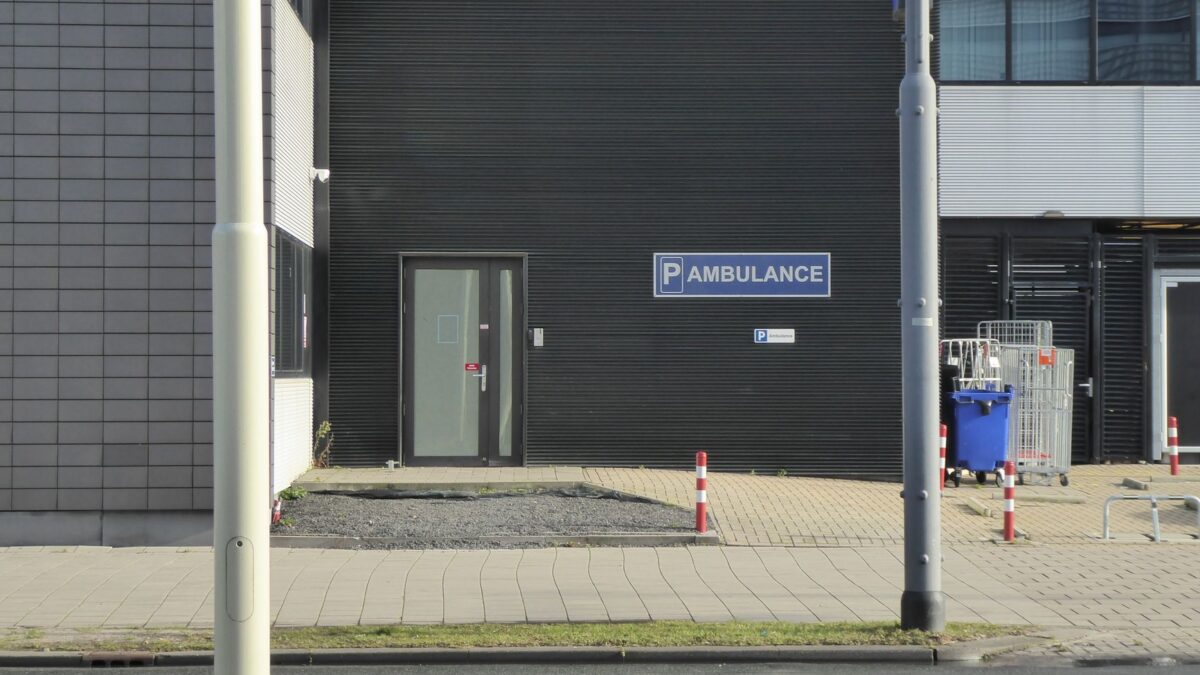
The single emergency number in Rome and across Italy is 112 (the Numero Unico di Emergenza, NUE). It connects you to the police, fire brigade and ambulance. The older numbers (113 police, 115 fire, 118 ambulance) still work in many areas, but 112 is what you should call first.
Which number do you call in Rome?
| Number | What it reaches |
|---|---|
| 112 | Single emergency number; routes to the right service |
| 113 | Polizia di Stato (state police) |
| 115 | Vigili del Fuoco (fire brigade) |
| 118 | Medical emergency and ambulance, in areas where it is still direct |
| 116117 | Non-urgent medical advice and after-hours care, where the service is active |
Operators speak Italian and often English; speak slowly and give your address first. Say the street, the number, the nearest landmark and the type of problem. Stay on the line until the operator ends the call, and keep the phone free so that the ambulance crew can call back.
What happens when an ambulance is sent?
The operator assesses urgency and dispatches the nearest crew; Lazio’s regional emergency service, ARES 118, runs the ambulances. The crew treats you on the scene and decides on the hospital, usually the nearest one with the right unit. You do not choose the hospital for a true emergency. Expect to give your name, date of birth and any medicines you take; carry a note in Italian or English with allergies and chronic conditions.
How does the pronto soccorso triage work?
At the emergency department (pronto soccorso), a nurse performs triage and assigns a colour code. Italy’s national guidelines use five levels, and hospitals follow them closely, although the colour names and wait targets can vary slightly by region.
| Code | Meaning |
|---|---|
| Rosso (red) | Immediate danger to life, seen at once |
| Arancione (orange) | Very urgent, seen within minutes |
| Azzurro (light blue) | Urgent but stable, short wait |
| Verde (green) | Minor urgency, longer wait |
| Bianco (white) | Non-urgent; a co-payment may apply |
Waiting time depends on the code, not on arrival order, so a green case can wait hours when the department is busy.
What are the main hospitals in Rome?
Large hospitals with a pronto soccorso include Policlinico Umberto I (near Termini), Policlinico Agostino Gemelli (north-west), Ospedale San Camillo-Forlanini, Ospedale Sant’Andrea, Ospedale San Giovanni Addolorata and Ospedale Fatebenefratelli on the Tiber Island. For children, Ospedale Pediatrico Bambino Gesù has emergency services. Not every hospital handles every specialty, so the ambulance crew’s choice is usually the safest. For a non-urgent problem, calling your GP or the after-hours service saves a long wait; see our GP guide.
How do you find English-speaking help?
Operators at 112 are trained for foreign callers, and larger hospitals have staff who speak English, but this is not guaranteed at night. A few phrases help: Ho bisogno di un’ambulanza (I need an ambulance), Mi sento male (I feel unwell), Sono allergico a… (I am allergic to…). Your embassy or consulate can help with interpreters or contacts for emergencies abroad, and the Ministry of Foreign Affairs lists consular contacts on esteri.it.
What does a foreigner pay for emergency care?
Italian law guarantees urgent and essential treatment to anyone present in the country, including people without a permit, who receive a temporary code (STP or ENI) from the ASL for ongoing care. What you pay depends on your status:
- SSN-enrolled residents pay nothing for real emergencies, and may pay a co-payment for white-code, non-urgent visits;
- visitors from EU countries use the EHIC, which covers medically necessary care;
- other visitors pay the hospital’s tariff or claim from their travel insurance, which is why insurance is worth having; see our private health insurance guide.
We could not confirm the current co-payment amount for white-code visits in Lazio as of November 2026, so ask the hospital desk.
What should you prepare in advance?
A few minutes of preparation help in a crisis. Save 112 as a favourite, write your address in Italian on a card by the door and on your phone, and learn the name of the metro stop or the main street nearby. Keep a list of allergies and medicines, a copy of your health card or insurance certificate and an emergency contact in your phone’s lock-screen information. Many phones can also send location data to 112 automatically, but do not rely on it; say the address anyway. If you live in a building with an entry code, tell the operator the code or send someone to the gate, so the crew can reach you fast.
Bottom line
Save 112 in your phone with your home address written out in Italian. Learn the name of the nearest hospital, and keep a short medical note on your phone. For anything that is not life-threatening, call the GP or the after-hours service first: it is faster and cheaper than the ER.
FAQ
Is 112 free from a mobile phone?
Yes, calls to 112 are free, including from phones without credit or a SIM card.
Can I call 112 in English?
Yes. Operators handle foreign callers, though the quality of English varies. Give the address first.
Will an ambulance cost me money?
Emergency ambulance transport is part of urgent care and is generally not billed to the patient in a true emergency. Non-urgent transport may be charged.
Can I go to the ER without registration?
Yes. Urgent care is guaranteed to everyone, though what you are billed afterwards depends on your status.