Villa Borghese Gardens: Entrances, Museums and What to See
Villa Borghese is an 80-hectare public park above Piazza del Popolo. Where to enter, which museums sit inside, the lake garden and the Pincio view.
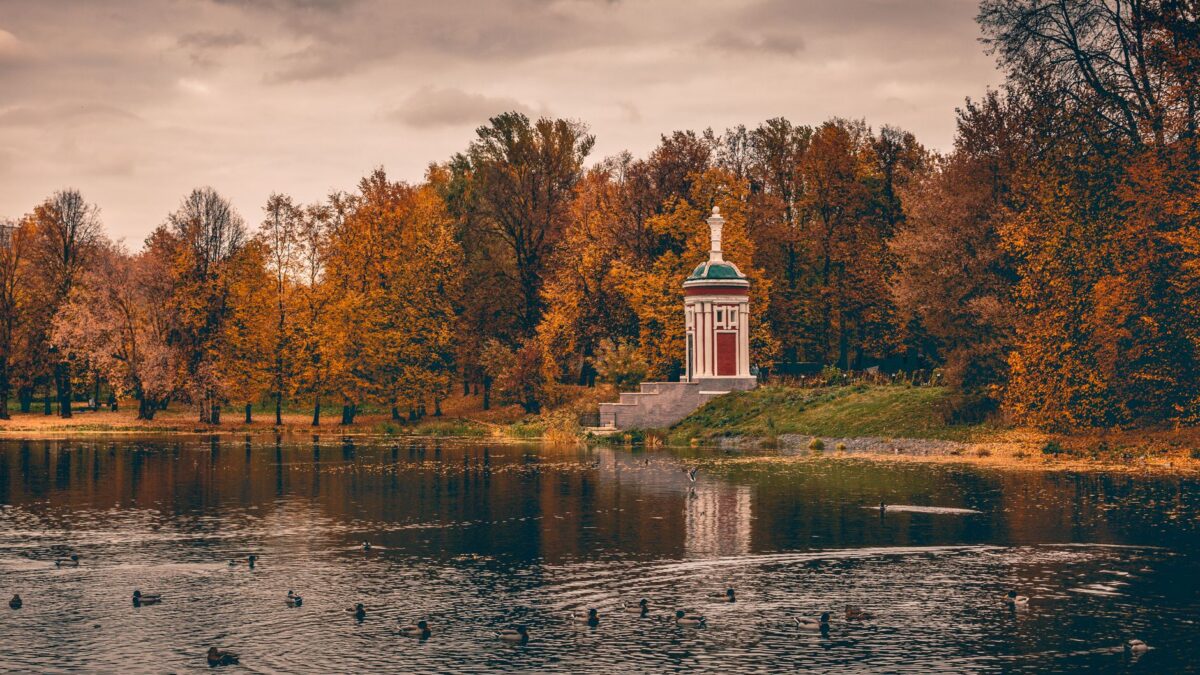
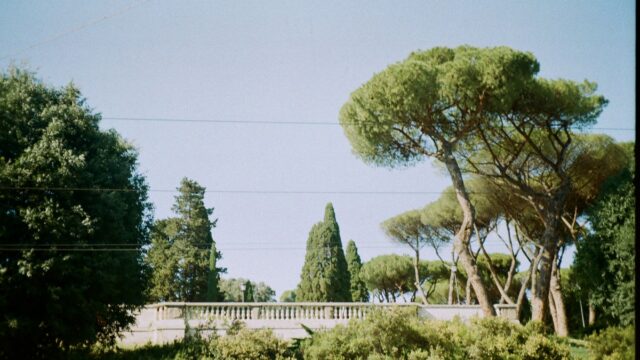
Villa Borghese is a public landscape park of 80 hectares on the Pincian Hill in Rome, run by the city and open to everyone. You can walk in from the top of the Spanish Steps or from Piazza del Popolo, and inside you find the Galleria Borghese, the national modern art gallery, the Etruscan museum at Villa Giulia, a small lake with a temple and the Pincio terrace with its view over the city.
The park sits in the Pinciano area of Municipio II, and its operator is the Municipality of Rome, according to the Wikipedia entry on the Villa Borghese gardens. The same page ranks it as Rome’s third-largest public park, after Villa Doria Pamphili and Villa Ada. For a shorter overview of what is free inside, see our Villa Borghese park guide.
Where are the entrances to Villa Borghese?
The most used ways in are from the south and west. The Spanish Steps lead up toward the park, and another entrance is by Piazza del Popolo. The Pincio, the southern part of the park and the Pincian Hill of ancient Rome, is the first area you reach from that side.
The lake garden, the Giardino del Lago, has its own access points on Via Madama Letizia and on Viale Pietro Canonica. Check the city’s current map before you go if you plan to arrive by car or with a stroller, since gate details and access rules can change.
How did the park come about?
In 1605 Cardinal Scipione Borghese, nephew of Pope Paul V and a patron of Bernini, began turning a former vineyard here into the largest gardens built in Rome since antiquity. The site is identified with the ancient gardens of Lucullus. The cardinal used his villa, the Villa Borghese Pinciana built by Flaminio Ponzio, as a party villa at the edge of the city and as a home for his art collection.
In the 18th century Marcantonio Borghese turned the formal layout into an English-style landscape garden. Architects Antonio Asprucci and his son Mario worked on it from 1782 for more than twenty years, placing statues and starting the lake garden and Piazza di Siena. The gardens were informally open for a long time; the city of Rome bought them and gave them to the public in 1903. Since 1904 monuments to foreign writers and public figures, such as Victor Hugo and Goethe, have been placed along the avenues. The park as it looks now was largely remade in the late 19th century.
Which museums are inside the park?
Several of Rome’s major collections are inside the park or on its edge. If you are planning a full museum day, our list of Rome museums beyond the Vatican covers prices and closed days.
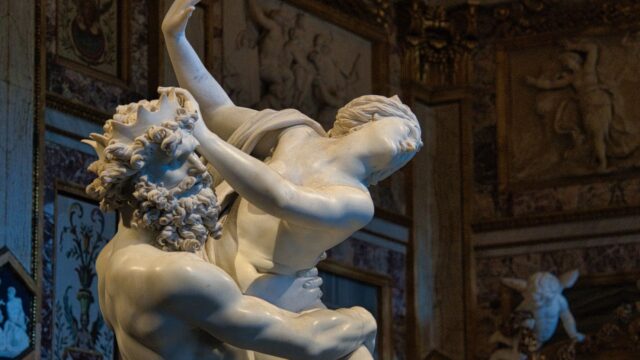
- Galleria Borghese. Housed in the Casino Borghese, the garden villa built by Giovanni Vasanzio. It holds Bernini sculptures from the Borghese collection, including his David and his Daphne, and paintings by Titian, Raphael and Caravaggio. Tickets and time slots are covered in our Galleria Borghese booking guide.
- Museo Etrusco at Villa Giulia (the Etruscan Museum). Villa Giulia, next to the gardens, was built in 1551 to 1555 as a summer residence for Pope Julius III.
- Galleria Nazionale d’Arte Moderna. Its collection covers 19th- and 20th-century painting with an emphasis on Italian artists. Its building is one of the pavilions left from the 1911 world exhibition in Rome.
- The Fortezzuola. This, a Gothic-style garden building, holds a collection devoted to the sculptor Pietro Canonica.
Other buildings in or beside the park are not regular museums. Villa Medici houses the French Academy in Rome. The British School at Rome occupies the English pavilion from the 1911 exhibition, designed by Sir Edwin Lutyens, who later designed New Delhi.
What is there to see outdoors?
The Giardino del Lago is the lake garden laid out in the late 18th century, with work running from 1784 to 1790 under Mario Asprucci. Its centerpiece is the Temple of Aesculapius, an Ionic temple built on an island in the lake between 1785 and 1792. Two more neoclassical temples, dedicated to Antoninus and Faustina and to Diana, stand in the same area, along with the sarcophagus of Phaethon and a bronze group of satyrs from 1929.
The Pincio terrace in the south of the park has one of the best-known views over Rome. Near it and around the park are fountains such as the Sea Horse Fountain, made by Vincenzo Pacetti in 1791 to a design by Christopher Unterberger.
Piazza di Siena was started by the Aspruccis in the 18th century. The first horse show was held there in 1922, and it hosted dressage, show jumping and the jumping stage of eventing at the 1960 Summer Olympics.
Are there boats, bikes, the zoo and events?
The Bioparco (Rome’s zoo), rowing boats on the lake, bike hire and the program of events all have their own operators and change by season. Prices, hours and booking rules for them are set by those operators, so check their official pages before you go.
Tips for visiting
- Book the Galleria Borghese first and plan the rest of your walk around your entry slot.
- Enter from Piazza del Popolo or the Spanish Steps if you want the Pincio view early, then continue north to the lake.
- If you are visiting on a budget, read our guide to free museum Sundays in Rome before choosing a day.
Quick answers
Is Villa Borghese free to enter?
Villa Borghese is a public park run by the Municipality of Rome. The museums inside have their own tickets, so check each museum’s official page.
How big is Villa Borghese?
About 80 hectares, which makes it Rome’s third-largest public park after Villa Doria Pamphili and Villa Ada.
When did Villa Borghese become a public park?
The city of Rome bought the gardens and opened them to the public in 1903.
Checked against official sources in November 2026. Hours, prices and rules change: confirm on the official page before you go or apply.