Italy’s Tourist Tax Hits Record €1.2 Billion, Rome Takes a Quarter
Italian councils collected a record €1.2 billion in tourist tax, with Rome the top earner. Where the money goes, the state's 30 percent cut, 2027 limits.
Italian councils collected a record €1.2 billion from the imposta di soggiorno (the tourist tax charged per overnight stay), according to tourism consultancy JFC as reported by The Local Italy. Rome was again by far the biggest earner, taking around a quarter of all revenue in the first half of this year.
The figures have restarted a fight over what councils do with the money. Consumer group Codacons says much of it disappears into general budgets, while councils are angry that the national government now keeps part of the revenue.
From 13 councils to 1,411
The tax was introduced in 2011, when just 13 councils charged it. By 2026, JFC counts 1,411. The new total is almost 17 times what was collected in that first year.
By law, councils are supposed to spend the money on tourism, cultural heritage, the environment and local public services. Codacons said on Tuesday that in practice the revenue often goes straight into general budgets, which breaks the law. The group said nobody knows how councils use the funds and warned of a real risk that the money is plugging budget holes.
Codacons has made the same complaint since 2024, when its president Carlo Rienzi said tourists should not be treated as cash machines by councils. Florence’s mayor, Sara Funaro, rejected that claim at the time, telling La Nazione the spending “is all set out” in the budget. Milan’s tourism councillor Martina Riva told local media that the tax pays for services linked to tourism, above all transport, plus cleaning, security and museum upkeep.
Why Rome is different
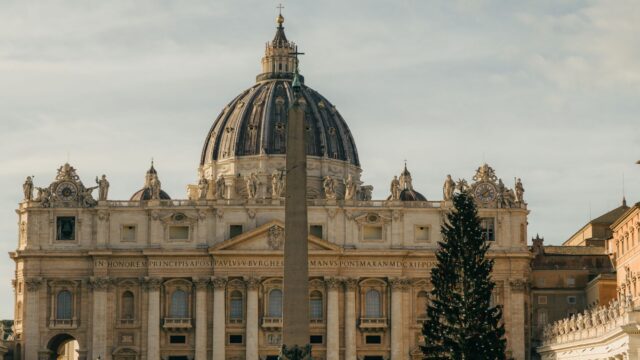
Roma Capitale (the City of Rome) got its own power to charge visitors an overnight surcharge in 2010, a year before other councils, under a separate law. That law does not tie the money to tourism spending. The council told investigative outlet Altreconomia that all the revenue goes into the city’s general budget.
Rome collected around €200 million from the tax in 2024. The council said the money was reinvested in city services, especially developing and promoting tourism, but it reportedly did not publish a breakdown.
The state takes a cut
The 2026 budget included a provision letting the national government keep 30 percent of the extra revenue from temporary rate increases linked to the Winter Olympics. The government said it used the money to add to national funding for children in care and for including pupils with disabilities in schools.
Anci (Italy’s national association of councils) said councils already cover those costs. Its president, Naples mayor Gaetano Manfredi, said using the tax for that kind of state spending risks distorting the basic principle of the tax. Councils from Rimini to Imola also objected, and Imola’s mayor, Marco Panieri, told Il Resto del Carlino the state’s 30 percent share was not acceptable.
What it means for visitors and residents from 2027
Since 2024, councils have been allowed to add up to €2 a night to the tax as a temporary increase. In 2026, those within 30km of Winter Olympics venues could add up to €5 more. That temporary increase ends, and from 2027 only Rome, Florence, Venice, Pisa, Rimini and Verbania will be able to charge more than the standard €5 a night.
For people living in Rome, the rules for anyone renting out rooms or apartments to tourists are covered in our guide to short-term rental rules and the tourist tax in Italy. Rome will remain one of the few cities allowed above the standard rate.
Venice’s day-tripper fee grows
Venice charges a separate fee on day-trippers. The city council said in October that it will apply on 72 days next year, up from 60 in 2026, and that the price will stay at €10 for now. Budget councillor Michele Zui said in September that current rates no longer deter visitors and that Venice wants government backing to charge up to €30.
The council said the fee brought in €5.2 million from almost 680,000 day-trippers in 2026. After running costs, €1.77 million was left over and went toward freezing residents’ waste collection bills. Local media have noted that no detailed breakdown of those operating costs has been published.
Source: The Local Italy