Castel Sant’Angelo Tickets and Hours: Price, Free Days, Visit
The papal fortress beside the Tiber has a spiral ramp, papal apartments and a roof terrace with one of the best views of St Peter's.
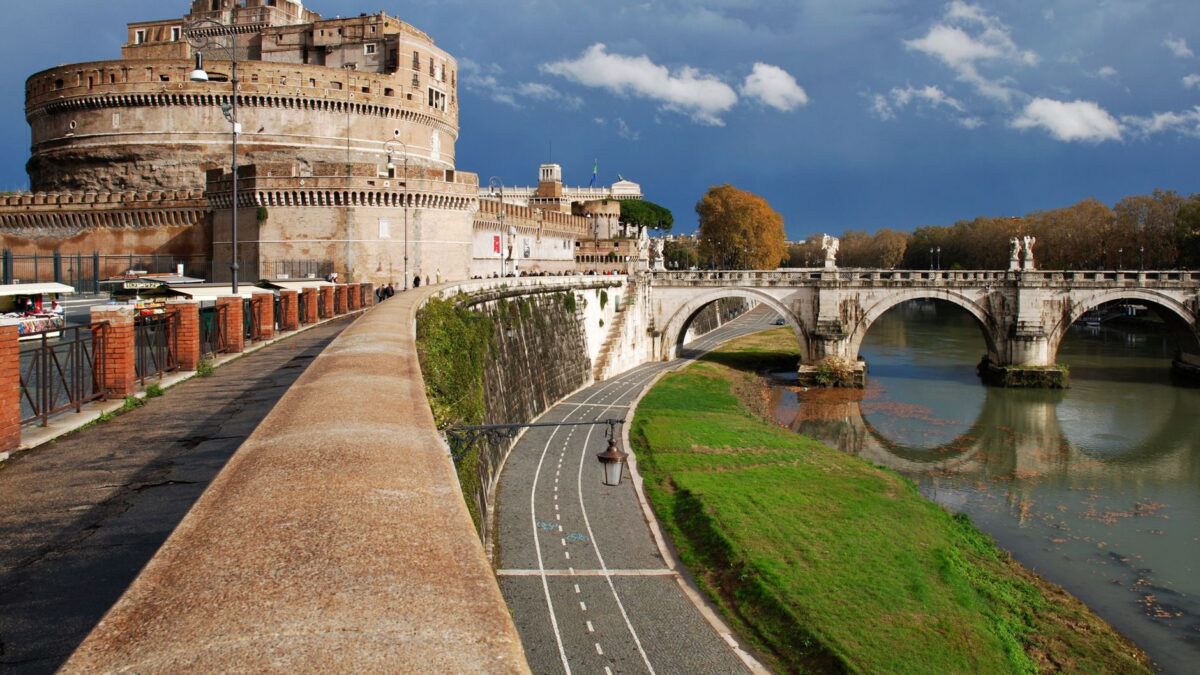
The full ticket for Castel Sant’Angelo costs €18 since 1 July 2026, up from €16, according to the Ministry of Culture’s decree. As of November 2026 the castle opens Tuesday to Sunday from 9:00 to 19:30, with last entry at 18:30. It is a 10-minute walk from St Peter’s Square along Via della Conciliazione, and a full visit takes about two hours.
How much is a Castel Sant’Angelo ticket?
The full price is €18 as of November 2026. Existing reductions and free-entry categories still apply, so EU citizens aged 18 to 25 usually pay a reduced fare and children under 18 enter free. Prices are set by the Ministry of Culture’s Rome museums directorate, so third-party sites showing €12, €14 or €16 are out of date. Evening openings and special events carry their own prices; one 2026 night opening cost a symbolic €1. Buy only from the official ticket channel or the box office, because resellers add a markup for what is the same entry. Information sits on the Ministry’s pages at cultura.gov.it.
What are the opening hours and free days?
| Item | As of November 2026 |
|---|---|
| Open | Tuesday to Sunday, 9:00 to 19:30 |
| Last entry | 18:30 |
| Usual closing day | Monday |
| Full ticket | €18, from 1 July 2026 |
| Free days | State-museum free days, such as the first Sunday of the month; confirm on the official page |
A Ministry decree describes a Monday afternoon opening initiative, I lunedì di Castello, which began in August 2026, so Monday is not always closed. Holiday and event hours differ, and the castle follows the national pattern on days like 25 December. See free museum Sundays in Rome for how the first-Sunday rule works.
What do you see inside?
The building began as the mausoleum of Emperor Hadrian in the second century and later became a papal fortress and prison. The route climbs through different periods.
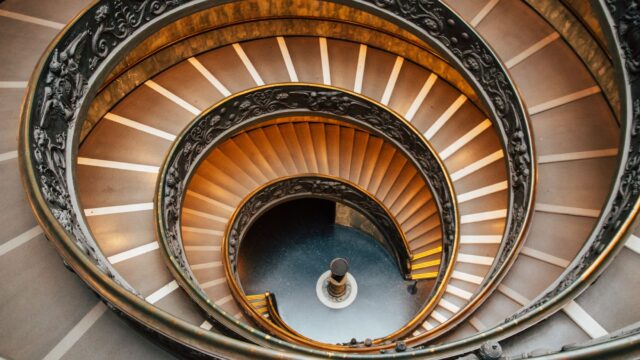
- Spiral ramp: the Roman-era passage that leads up inside the drum.
- Papal apartments: the Renaissance rooms with frescoed halls, including the Sala Paolina.
- Armoury and exhibitions: military collections and art on the middle floors.
- Terrace: the open roof under the bronze angel statue, with a view of St Peter’s dome and the Tiber bends.
The Passetto di Borgo is the fortified corridor that connects the castle with the Vatican. It is open only on some dates, so check the official calendar if you want to walk it.
How do you get there from the Vatican?
From St Peter’s Square, walk down Via della Conciliazione toward the river, about 10 minutes. The castle is on the right bank, reached via Ponte Sant’Angelo, a pedestrian bridge lined with angel statues by Bernini’s school. By public transport, bus lines from Termini and the centre stop near Piazza Cavour, a few minutes’ walk away; the closest metro stop is Ottaviano on Line A, around 15 minutes on foot. Check route numbers on the ATAC planner, since lines change during works; see the ATAC tickets and fares guide.
How long should you allow?
Allow 90 minutes to two hours for the castle and terrace. Pair it with St Peter’s Basilica and the dome by visiting the basilica in the morning and the castle in the afternoon. Late afternoon is best for the terrace view, but the sun sets before the castle closes in winter.
What should you know about the building’s history?
Emperor Hadrian ordered the mausoleum around AD 130, and the Roman drum, once topped with a garden and a statue, held imperial ashes until the early third century. In the fifth and sixth centuries it was turned into a fortress and later linked to the Vatican by the Passetto, an elevated corridor of about 800 meters built in 1277. Popes used it as a refuge, and the Sack of Rome in 1527 is the best-known episode. The name comes from a vision of an angel sheathing a sword over the building, recalled by the bronze angel on the top. Puccini set the last act of Tosca on the terrace, which many visitors know. Reading the labels in the rooms, mostly in Italian and English, makes the route easier to follow, and the museum shop and café on the upper levels are open during visiting hours. The terrace is exposed to wind, so bring a layer in winter.
Bottom line
Go on a first Sunday only if you do not mind crowds; the better plan is a weekday afternoon, buying at the box office to skip reseller fees. Pay attention to the final entry at 18:30, since the route cannot be done quickly.
FAQ
Is Castel Sant’Angelo worth visiting?
Yes, if you like the terrace views and Renaissance rooms. It is less crowded than the Vatican Museums and sits close to St Peter’s.
Can you skip the line?
Queues are short outside peak days. Booking online from the official channel gives a timed entry and avoids the box-office line.
Is it open in the evening?
Only on special openings, announced on the Ministry’s pages. Regular hours end at 19:30.
Is the castle accessible?
The ramp is gradual, but parts of the building have steps. Ask the staff about lifts and routes for wheelchair users.
Where can you eat nearby?
The castle has a café on the upper terrace level, and the Borgo and Prati districts around it have many restaurants. Prices are lower a few streets away from Via della Conciliazione, where menus target visitors. A sandwich or pizza by the slice is a quick option before the climb.
Can you combine it with a Tiber walk?
Yes. The riverside path below the castle leads along the Lungotevere toward Piazza Cavour and the Ponte Cavour. In winter the paths can be wet and dim after dusk, so plan to be back on the street level before dark.