Baths of Caracalla and Diocletian: How Romans Bathed
Rome's two biggest imperial baths, Caracalla (AD 216) and Diocletian (AD 298 to 306), were free public bath complexes. See how they worked and what remains.
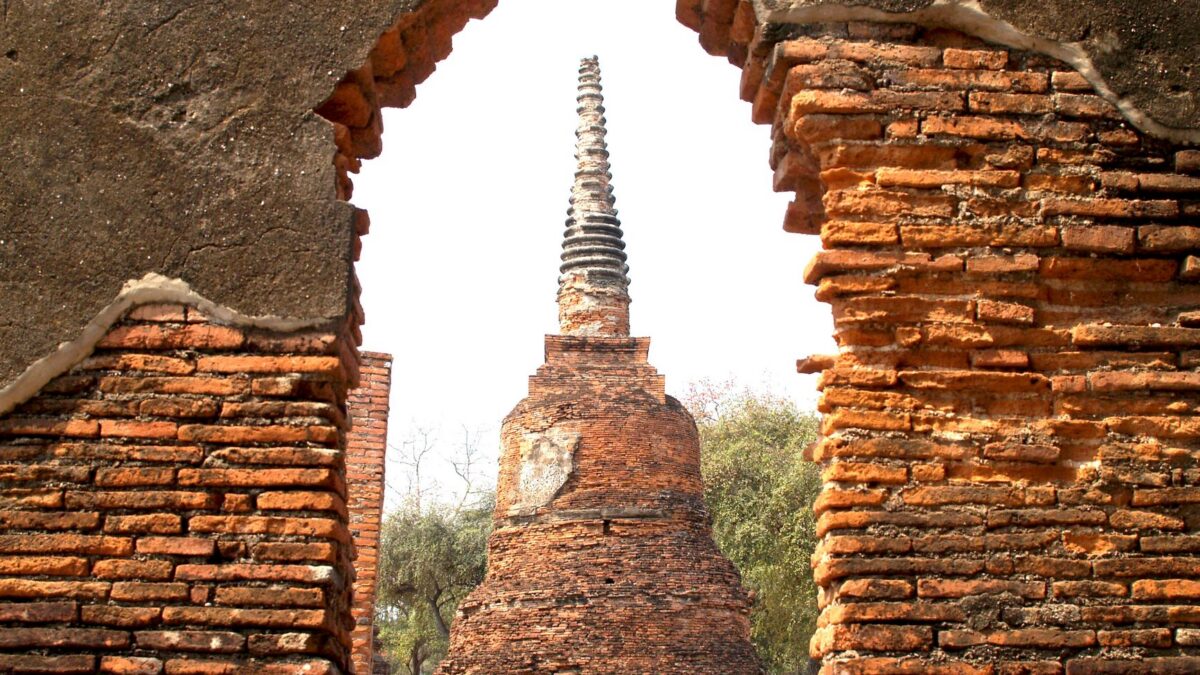
Ancient Romans bathed in large public complexes called thermae, heated by furnaces under the floor and fed by their own aqueducts. Rome had two giants: the Baths of Caracalla (Terme di Caracalla), the city’s second largest, and the Baths of Diocletian (Terme di Diocleziano), the largest of all the imperial baths. Both stopped working in 537, when a siege cut the water.
How did the Baths of Caracalla work?
The complex was built on the southern side of the city, in an area the Romans called Regio XII Piscina Publica. Work probably started under Emperor Septimius Severus and was finished under his son Caracalla, and the baths were inaugurated in AD 216. The ground had belonged to a large garden estate, the horti Asiniani, so builders knocked down older structures, filled them with earth and used them as foundations.
Heat came from a hypocaust, a system that burned coal and wood beneath the floor to warm water. A dedicated aqueduct supplied that water. According to the Wikipedia article on the Baths of Caracalla, entry was free and open to the public.
The scale of the job was enormous. For the baths to be mostly done in Caracalla’s reign, workers would have had to install over 2,000 tonnes of material every day for six years. The site covers 100,000 m2, and the baths’ waters amounted to 8,000,000 L. Decoration went on under later emperors, and Aurelian repaired the complex after a fire. Under Constantine the Great the caldarium (the hot room) was modified.
How many people could use the Caracalla baths?
Olympiodorus of Thebes gave a capacity of 1,600. Scholars read that as the most bathers present at one moment. Over a whole day, the baths are thought to have handled 6,000 to 8,000 people. In the 5th century they were counted among the seven wonders of Rome.
What happened to the Baths of Caracalla after antiquity?
In 537, during the Gothic War, the Ostrogothic king Vitiges besieged Rome and cut the city’s water supply. The baths were abandoned soon after. Some simple tombs from the 6th and 7th centuries have been found on the site, linked to pilgrims cared for at the nearby xenodochium (a hostel for pilgrims) of Santi Nereo e Achilleo. The earthquake of 847 then destroyed much of the building.
From at least the 12th century the ruins served as a quarry. Marble and decorative pieces were reused in churches and palaces, including Pisa Cathedral and Santa Maria in Trastevere. In 1524 Pope Clement VII allowed Cardinal Lorenzo Pucci to remove unlimited quantities of columns, marble and travertine for a new palace. Excavations ordered by Pope Paul III between 1545 and 1547 turned up many large marble and bronze statues. The Farnese Bull and the Farnese Hercules came from the ruins. Beneath the baths lies a two-storey domus (a Roman house) from Hadrian’s reign, with frescoed ceilings and a lararium, a room for household gods. It has recently been opened to visitors.
For tickets, hours and transport today, see our guide to visiting the Baths of Caracalla.
How were the Baths of Diocletian different?
They were built from AD 298 to 306 and are the largest of the imperial baths. Maximian commissioned them after returning to Rome in the autumn of 298, in honour of his co-emperor Diocletian, and the work continued after both emperors abdicated, under Constantius. Brick stamps from the period show that the whole brick industry was put under imperial control for the project.
The baths stand on the northeast summit of the Viminal hill, near today’s Piazza della Repubblica and Termini station. They served people living in the Viminal, Quirinal and Esquiline districts. Water came from the Aqua Marcia, and Diocletian increased the city’s supply so the baths could be fed. The enclosure covered 13 hectares, about the same as the Baths of Caracalla. The baths were restored in the early 5th century and worked until the siege of 537, when Vitiges again cut the aqueducts. The story of that system continues in our piece on the Roman aqueducts and the Aqua Virgo.
What is left of the Baths of Diocletian today?
Part of the baths now holds the Museo Nazionale Romano (the National Roman Museum), which the Italian government set up there in 1889. In the 1560s Pope Pius IV ordered a basilica built in the ruins, Santa Maria degli Angeli e dei Martiri, designed by Michelangelo using the frigidarium (the cold room) and tepidarium (the warm room). The Church of San Bernardo alle Terme also occupies part of the site. After 1575 several remaining halls became grain and oil stores for the city.
When Rome became the seat of government of the Kingdom of Italy, the area changed. The Carthusians left their charterhouse in 1884, Roma Termini station was built, and the palazzi on Piazza dell’Esedra (now Piazza della Repubblica) destroyed part of the original exedra. The American sculptor Moses Jacob Ezekiel kept a studio in the ruins from 1879 to 1910, until the government claimed the space for the museum. Details are in the Wikipedia article on the Baths of Diocletian.
Tips for visiting
- Pair the two sites by theme: Caracalla in the south of the city, Diocletian beside Termini.
- Check opening hours and ticket rules on the official museum and site pages before you go.
- For the wider ancient city, read about how the Roman Forum grew out of a marsh.
Quick answers
Were Roman baths free?
The Baths of Caracalla were free and open to the public, according to the source used here.
Which baths were bigger?
The Baths of Diocletian were the largest imperial baths. The Baths of Caracalla were the second largest in Rome.
Why did the baths close?
In 537 the Ostrogothic king Vitiges cut the aqueducts during his siege of Rome, and without water the baths could not run.
Checked against official sources in November 2026. Hours, prices and rules change: confirm on the official page before you go or apply.