Rome Metro History: Why It Took Decades and What Digs Found
Rome's Metro opened in 1955 and spread slowly, partly because digging in the city kept hitting ruins. See how Lines B, A and C were built and why they stalled.
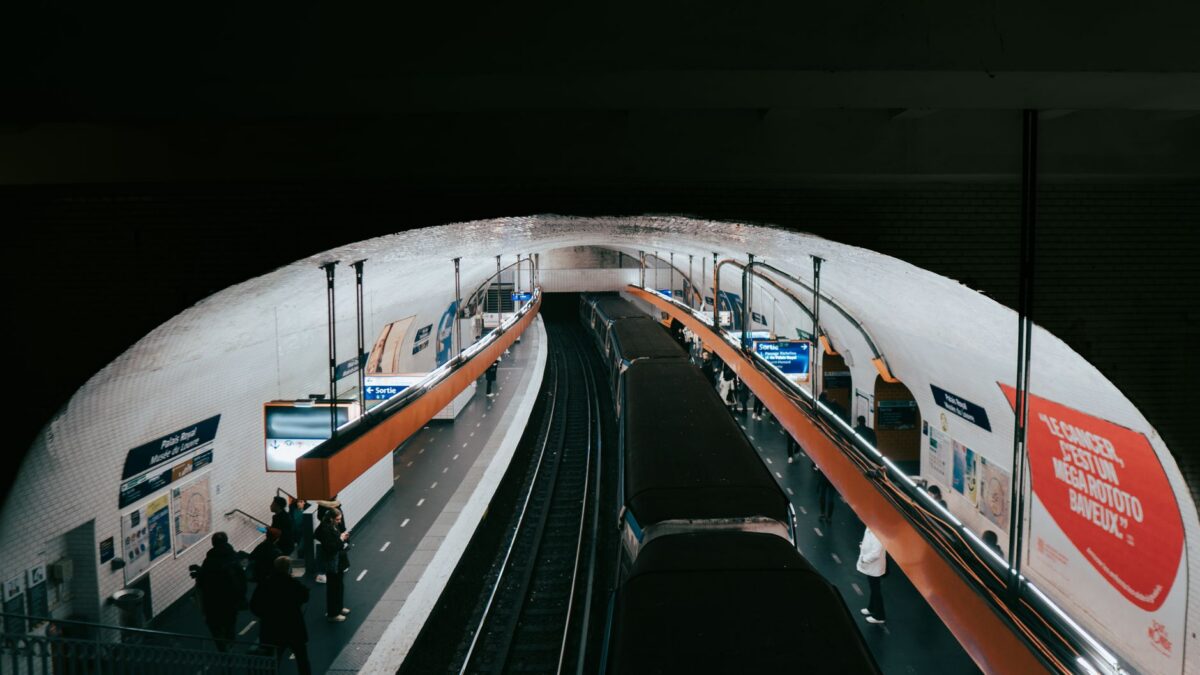
Rome’s Metro was slow to build because the first plans were interrupted by war, the first big digging method disrupted road traffic, and the ground under the city is full of archaeological finds. The system started operating on Feb. 9, 1955, which makes it the oldest in Italy, and today it has three lines, A, B and C, run by ATAC (Rome’s public transport company). According to Wikipedia’s Rome Metro entry, it covers 62 km with 74 stations.
Each line has its own delay story. This guide goes through them in the order they were built, then explains how digging near ancient remains shaped the work. For the current layout, see the guide to Rome’s Metro lines and stops.
Why was Line B built first, and why did it stop?
Line B was planned in the 1930s by the fascist government. It was meant to link Stazione Termini with E42, a new district to the southeast where the Universal Exposition was to be held in 1942. The exposition never took place, because Italy entered the Second World War in 1940.
When construction halted, some tunnels on the city-centre side, between Termini and Piramide, were already finished. They were used as air raid shelters during the war. Work restarted in 1948, while the former exposition site was turned into the residential and business district now called EUR. President Luigi Einaudi opened the line on Feb. 9, 1955, and regular service began the next day.
The names A and B only came later, when the second line opened 25 years after the first.
Why did Line A take so long?
The city approved a second Metro line in 1959. Work began in 1964 in the Tuscolana area, but the planned cut-and-cover method (digging an open trench from the surface, then covering it) caused serious problems for road traffic in southeast Rome. Work was suspended, then resumed five years later with bored tunnels. That method eased the traffic problems only in part, and the machines’ vibrations led to many compensation claims.
Line A entered service in February 1980. In the late 1990s it was extended from Ottaviano, in the Prati district, to Battistini in the west.
What did archaeology do to the work?
The Wikipedia entry says work on Line A was frequently interrupted by archaeological finds made during the excavations, particularly near Piazza della Repubblica. That passage carries a “citation needed” tag on the page, so treat it as a general account rather than a documented list of stoppages.
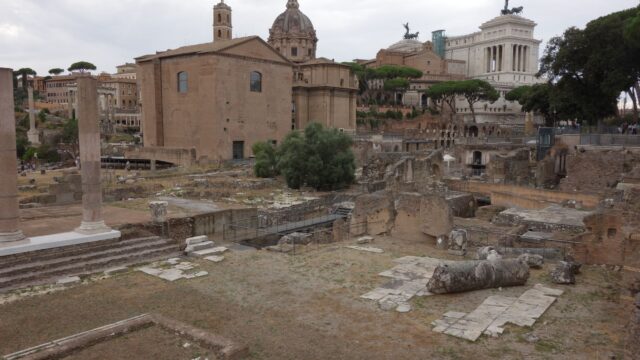
The wider reason is well known. Rome has been built on top of itself for centuries, so a trench dug in the centre can cut through older layers of the city. A tunnelling project there has to stop and let specialists examine what appears. Line C, the newest line, runs from Colosseo, one of the busiest areas for ruins. For background on the city’s early layers, see how Rome was founded and what the archaeology shows.
How did Line C get built?
Line C opened on Nov. 9, 2014. It runs from Colosseo, where it connects with Line B, east to Pantano. It is the first Metro line in Rome to go beyond the city boundary. Its first section, from Centocelle to Pantano, is the part farthest from the centre and has 15 of the 30 planned stops.
A further section of 5.4 km with six more stations opened on June 29, 2015. The line is planned to reach the northwest toward Grottarossa, cross Line A at Ottaviano, and meet the planned Line D at Piazza Venezia. According to the same source, the Venezia station is expected to open in 2033.
Why it matters
The slow growth explains why a capital of this size has only three lines. Riders still rely on eight FL lines of regional rail, six tram lines and the Metrebus fare system alongside the Metro. The Metro itself carried about 320 million passengers a year in 2019.
Recent news shows the system’s weak points as well. For example, a 24-hour strike on Nov. 20 halted ATAC metro and buses.
Quick answers
Which line is the oldest?
Line B. It opened in 1955 and was the first official metro in Italy.
Which line is newest?
Line C, which opened on Nov. 9, 2014 and has been extended since, most recently in 2025.
Why was cut-and-cover dropped on Line A?
It caused serious problems for road traffic in southeast Rome, so the builders switched to bored tunnels.
Checked against official sources in November 2026. Hours, prices and rules change: confirm on the official page before you go or apply.