Rome to Cover 60% of Cost for Co-op Housing Renovations
Roma Capitale's new autorecupero rules would cover 60% of works for housing co-ops. The council vote is next; district opinions are due Nov. 20.
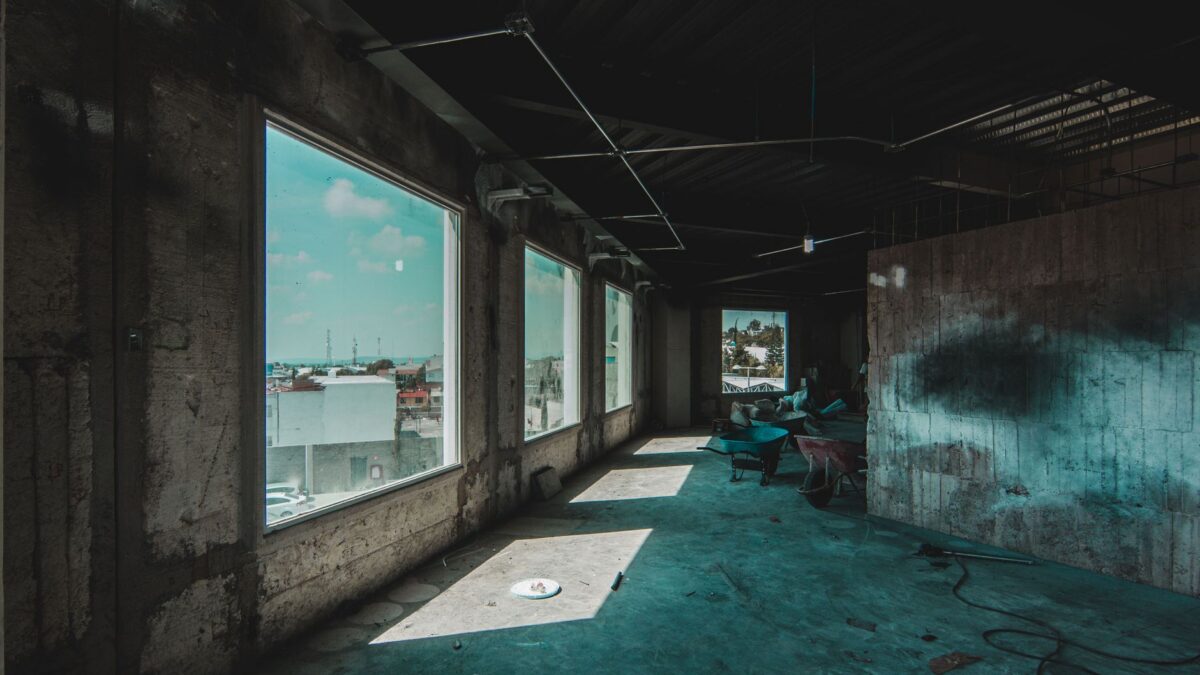
Roma Capitale (the City of Rome) plans to pay 60% of the works cost for housing cooperatives that renovate disused buildings, according to RomaToday. The rule is part of a long-awaited regulation on “autorecupero” (self-renovation), which is close to a vote in the city council.
Both the Patrimonio and Statuto committees, chaired by Yuri Trombetti and Riccardo Corbucci, have backed the text. The city’s municipi (districts) have until Nov. 20 to give their opinions. After that, all councillors vote.
How autorecupero works
Cooperatives fully renovate buildings that are no longer used, often former schools, and change their purpose so they become housing at reduced rents. The cooperative members live there. Once they finish repaying the mortgage taken out for the works, they start paying rent to the city as tenants of social housing (edilizia residenziale sociale).
The regulation is one of the main strands of the housing strategy Roma Capitale approved in July 2023, and RomaToday says it has been awaited since Mayor Roberto Gualtieri’s term began.
Projects stuck since 2008
Two autorecupero projects were never finished for bureaucratic reasons: one in Montagnola (Via di Grotta Perfetta) and one in Centocelle (Via dei Lauri). Both have been stalled since 2008. Six others were completed, and one, in Collatino, failed.
The cooperatives needed a public guarantee to get bank loans. That was a fidejussione (surety) covering 100% of the loan, which the administration of former mayor Virginia Raggi blocked by changing the city’s accounting rules. Council offices and politicians have spent the last three years looking for a way around the obstacle, which came up again in discussions last February.
How the 60% contribution is paid
The solution is a direct city contribution to the cooperatives for the works. Valentina Senese, chief of staff to Patrimonio councillor Tobia Zevi, said the offices “found the right tool”. Alice Sette, a director in the Patrimonio department, said the city will pay 60% of the cooperative’s spending after a public notice selects the cooperative that carries out each project.
The money will not arrive in one advance payment. The city releases it after each Sal (stato di avanzamento lavori, the certified progress report) the cooperative submits. For each project, the city council can review the plan, then the giunta (city executive) approves the technical and economic content. Only then do the offices publish the notice to choose a cooperative.
What it means for the cooperatives
The cooperatives cover the remaining share through a mortgage. Bruno Papale, president of the cooperative Inventare l’Abitare, welcomed the rule because it lets the suspended projects finish. He said access to credit for the 40% that stays uncovered remains a problem, mainly for future projects.
Papale explained the sequence: a cooperative that wins the call signs an agreement with the city and, usually a year earlier, takes out the mortgage for its share of the works. When the contract with the administration is signed, the mortgage payment is compared with the social rent. If the mortgage is lower, the member pays the difference to the city. In the opposite case, the difference is deducted from the rent.
The dispute over who guarantees payments
The regulation obliges cooperatives to monitor payments and answer for them in full. City offices stressed repeatedly that the city takes on no financial exposure. At the Patrimonio committee on Nov. 13, representatives of Inventare l’Abitare, which holds the Montagnola and Centocelle projects, said that should not be their job and that they lack the tools and resources for it.
Amendments are therefore expected. Trombetti said he is ready to present the changes the cooperatives ask for and that the commitment to approve the rule as soon as possible is “maximum”.
Source: RomaToday