How the Italian Government Works: Who Makes Which Decisions
A plain-language map of Italian national politics, from the President to the regions, for people who live in Rome and want to follow the news.
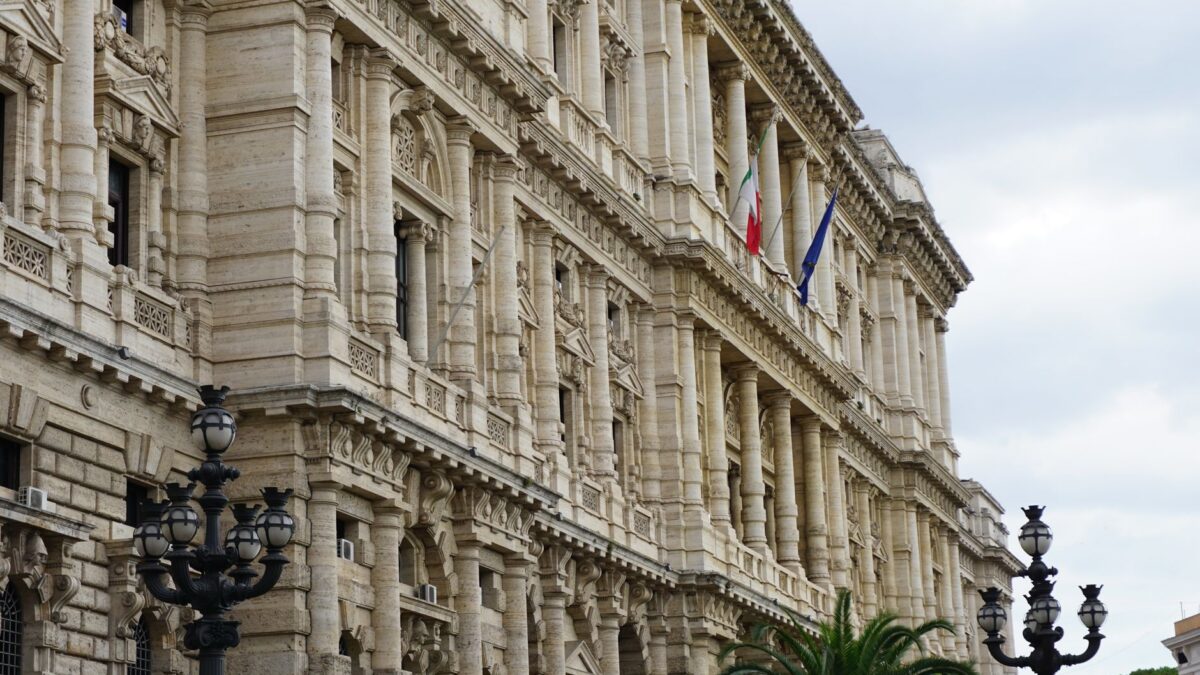
Italy is a parliamentary republic. Voters elect a Parliament of two chambers, Parliament backs a government led by the Prime Minister, and the President of the Republic acts as head of state and referee. The government can issue decree-laws that take effect at once, but Parliament must convert them into law within 60 days.
Who are the main players in Italian politics?
Four bodies matter most. The President of the Republic is elected for seven years by Parliament in joint session together with delegates from the regions. The President appoints the Prime Minister, signs laws before they are published and can send a law back to Parliament once for a second look.
The Council of Ministers (Consiglio dei ministri, the cabinet) is led by the President of the Council, the Prime Minister. It proposes bills, issues decrees and runs the ministries. Its decisions and press releases are published on governo.it.
Parliament writes and approves laws. It has two chambers, the Chamber of Deputies (Camera dei deputati, 400 elected members) and the Senate (Senato della Repubblica, 200 elected members, plus a small number of senators for life). Both vote on every law and both can topple a government.
The Constitutional Court (Corte costituzionale) checks that laws respect the Constitution. It sits apart from the political branches.
How is a government formed and how does it fall?
After an election, the President consults party leaders and names a Prime Minister, who proposes ministers. The government must win a confidence vote (fiducia) in both chambers within ten days of being sworn in. If either chamber later votes no confidence, or the government loses a vote it has tied to its survival, it has to resign.
Italy has had many governments since 1946, which is why people joke about instability. The practical lesson for residents is simpler: the Parliament, not the President, is where the ruling majority is tested.
How does a bill become law?
The ordinary path has five steps:
- A bill (disegno di legge) is presented by the government, a member of Parliament, a region or by popular initiative.
- A committee in the first chamber examines it and proposes amendments.
- The full chamber votes on it.
- The second chamber repeats the process. Both must approve the identical text.
- The President signs, and the law is published in the Gazzetta Ufficiale and enters into force, normally after 15 days.
This can take months or years, which explains why governments often prefer the faster route below.
What is a decree-law and why does it matter to residents?
A decree-law (decreto-legge) is an emergency measure with the force of law, issued by the government in cases of "necessity and urgency" under Article 77 of the Constitution. It is published in the Gazzetta Ufficiale and applies immediately. It is sent to Parliament the same day. If Parliament does not convert it into law within 60 days of publication, it lapses from the start.
In practice Parliament usually converts decree-laws, often after amendments, and the government frequently asks for a confidence vote on the conversion text to speed things along. Many rules residents notice, such as energy bonuses, deadlines for tax payments or changes to immigration procedures, have arrived this way. Always check whether a rule you read about is a decree-law still awaiting conversion or an enacted law.
Other instruments you will see in the news:
| Instrument | Who issues it | What it does |
|---|---|---|
| Legge (law) | Parliament | Main source of national rules |
| Decreto-legge | Government | Immediate rules, must be converted within 60 days |
| Decreto legislativo | Government, on Parliament’s delegation | Detailed rules within limits set by a delegating law |
| DPCM | Prime Minister | Implementing decrees, such as the yearly entry-quota decree |
| Delibera comunale | City council or mayor | Local rules, such as Rome traffic zones |
What do regions and cities decide, compared with the state?
Italy has 20 regions. Lazio, the region around Rome, is an ordinary-statute region. Regions manage most of public healthcare, regional transport, parts of vocational training and tourism promotion. That is why waiting times and some health rules differ by region, even though the national health service is the same system.
The state keeps immigration, tax, criminal law, defense and national pensions. Roma Capitale (the city administration) runs local services such as rubbish collection, city buses through ATAC, civil registry offices and municipal schools, and Rome has a special status in some areas. The mayor is elected directly, as explained in our guide to elections and voting in Italy.
Bottom line
When a headline says that "the government approved" something, check which kind of measure it is. A cabinet decree-law can change rules overnight but may be amended within 60 days, while a bill still has to pass two chambers. For anything affecting your paperwork, wait for the text in the Gazzetta Ufficiale and the implementing circular from the relevant office. The budget law is the one bill you can count on every autumn.
FAQ
Who is Italy’s head of state?
The President of the Republic, currently Sergio Mattarella, who was re-elected in January 2022 for a second seven-year term. The role is mostly ceremonial, but the President has real powers in forming governments and signing laws.
Does the Prime Minister have to be a member of Parliament?
No rule requires it, but in practice every Prime Minister since 1946 has come from the political world and has needed the confidence of both chambers.
Where can I read the actual text of laws?
Laws and decrees are published in the Gazzetta Ufficiale. The government posts cabinet communiqués on governo.it, and the Chamber and Senate websites publish bills and votes.
Can foreign residents vote?
Only Italian citizens vote in national elections. EU citizens living in Italy can vote in municipal elections, and full rules are in the elections article linked above, and the path to a vote of your own is covered in our citizenship basics.