Free Museum Sundays in Rome: Which Sites Are Free and How
How the first-Sunday rule works in Rome, which state and civic sites take part, and where residents get free entry on other days.
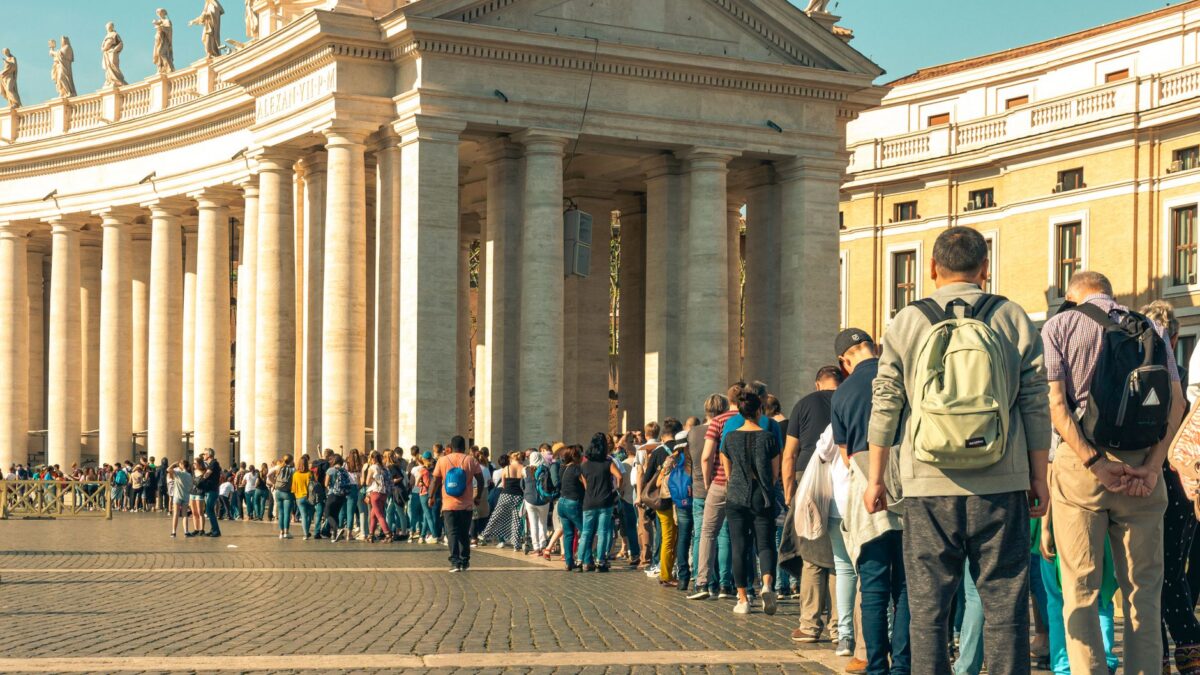
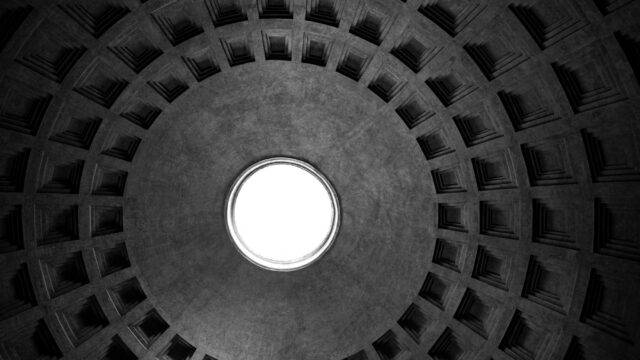
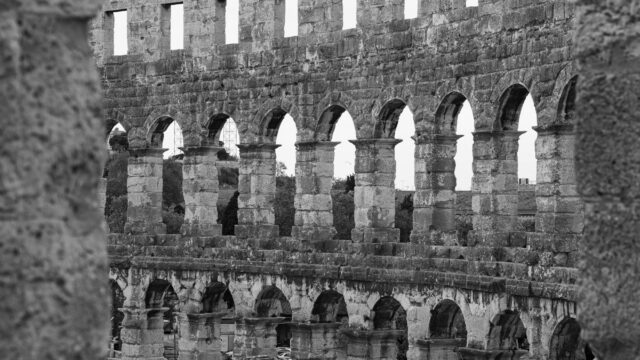
Italian state museums and archaeological sites are free on the first Sunday of every month under the national Domenica al Museo (museum Sunday) rule. In Rome this includes the Colosseum, Roman Forum, Pantheon and Castel Sant’Angelo, according to Turismo Roma. Tickets are usually collected on site, and queues are long.
How does the first-Sunday rule work?
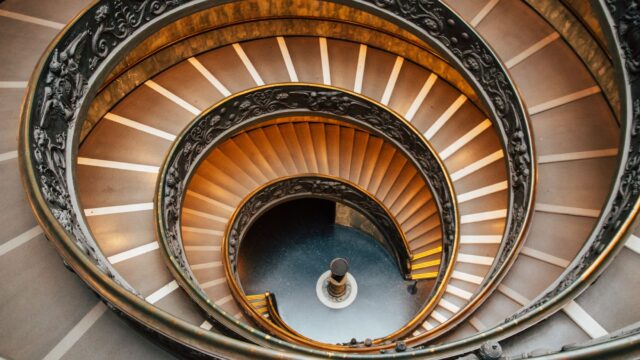
The rule is set nationally by the Ministry of Culture and applies to state-run museums, parks and monuments in the month’s first Sunday, within each site’s normal hours. Entry is free for everyone, residents and visitors alike. Not every site works the same way: some require a free ticket collected at the entrance, others allow online booking of a free slot, and a few ask for advance booking. Check the official page of the site you want a day or two beforehand. The Vatican is not a state museum, so it has its own free day on the last Sunday of the month instead.
Which Rome sites take part?
| Site | How free entry works (as of November 2026) |
|---|---|
| Colosseum, Roman Forum, Palatine | Free tickets handed out in person; no advance booking; upper levels, arena and underground generally closed |
| Pantheon | Free tickets collected on site; not bookable online per the official page |
| Castel Sant’Angelo | Listed as free; confirm access rules on the museum page |
| Museo Nazionale Romano (Palazzo Altemps and other sites) | Listed as free on the first Sunday |
| Villa Giulia (Etruscan Museum) | Listed as free on the first Sunday |
| Galleria Borghese | Free, but booking and a named ticket are required |
The list changes slightly from month to month and with special events, so use the calendar on Turismo Roma or the museum’s own page rather than a blog list. The Pantheon is covered in detail in the Pantheon ticket guide.
Are the city’s civic museums free too?
Since 1 February 2026, residents of Rome and its Metropolitan City enter the civic museums and archaeological areas run by Roma Capitale for free with a valid ID, according to the city’s tariff announcement. These include the Capitoline Museums, Ara Pacis and Trajan’s Markets. Temporary exhibitions and special shows are not free. Visitors pay normal rates on ordinary days, though many civic museums also open free on the first Sunday of the month. The Capitoline Museums guide has the details.
The MIC Card, a €5 annual card from the Rome museum system, gives free entry to the civic museum network for 12 months plus exhibition discounts and priority booking through its app. It mainly matters for non-residents who plan several visits and for residents who want the queue-skipping features.
Is it worth going on a free Sunday?
It depends on the site. At the Colosseum, free Sundays can mean a queue of two to three hours and fewer areas open, so the paid timed ticket is usually the better experience; see Colosseum tickets in Rome. Smaller museums such as Palazzo Altemps or Villa Giulia are much calmer and good value. Go early, bring ID and a charged phone, and have a second plan if the line is too long.
- Pick one or two sites, not five.
- Check the site’s official page for free-Sunday rules a few days ahead.
- Arrive 30 to 45 minutes before opening for the big sites.
- Keep a paid-ticket or smaller-museum plan for the same afternoon.
What about other free days in the year?
Besides the monthly rule, some state sites open free on fixed national dates such as 25 April, 2 June and 4 November, according to current guides; the Ministry of Culture announces the exact list each year. Rome also joins the European Night of Museums in spring, with symbolic €1 entry at many sites. These days follow the same logic as museum Sundays: expect crowds, and check each site’s own page for booking and opening hours.
What should you bring on a free Sunday?
Bring a photo ID, because tickets even on free days can be named, and keep the museum’s official page open on your phone for last-minute changes. Large bags are not allowed at many sites and the cloakroom lines can be as long as the ticket line. Free days often end earlier than normal opening hours, and the last entry can be an hour before closing, so do not arrive late in the afternoon.
Do residents of other Italian regions get anything?
The first-Sunday rule is national and does not depend on residency. The civic-museum rule applies to residents of Rome and its Metropolitan City only. Other free categories, such as under-18s, follow the regulations of each site; carry proof if you rely on one.
Bottom line
Use free Sundays for smaller state museums and for places where you only want a short look, and pay for a timed ticket at the Colosseum and Borghese. Residents get more value from the Metropolitan City free-entry rule for civic museums, which works every day with ID.
FAQ
When is the next free Sunday in Rome?
It is the first Sunday of the month. The next ones are 6 December 2026 and 3 January 2027, though holiday schedules can change opening hours.
Do you need to book a free ticket?
It depends on the site. The Colosseum and Pantheon hand out free tickets on the day; Galleria Borghese requires booking.
Is the Vatican free on the first Sunday?
No. The Vatican Museums are free on the last Sunday of the month instead.
Are tourists included?
Yes. The first-Sunday rule applies to everyone, not only residents.