Free Things to Do in Rome: Churches, Piazzas, Parks and Views
A practical list of sights in Rome that cost nothing, plus the places where a ticket has recently become necessary.
Rome has many sights that cost nothing: its churches, piazzas, fountains, the Villa Borghese park and several viewpoints. Since February 2026 the €2 Trevi Fountain fee applies only to the basin area, while the piazza and the views stay free. Some places that look free now have a charge, such as the Pantheon at €7 as of November 2026.
Which churches are free to visit?
Most Roman churches are free, with donation boxes and sometimes coin-operated lights for chapels. Santa Maria Maggiore, San Giovanni in Laterano and Santa Maria in Trastevere are among the large basilicas open without a ticket, and St Peter’s Basilica is free, though its dome and treasury are paid. Dress rules apply: shoulders and knees covered, quiet voices, no flash. Some churches close for lunch, so check opening times before you go. Side attractions, such as a crypt, cloister or museum, can have their own ticket.
What piazzas, fountains and viewpoints cost nothing?
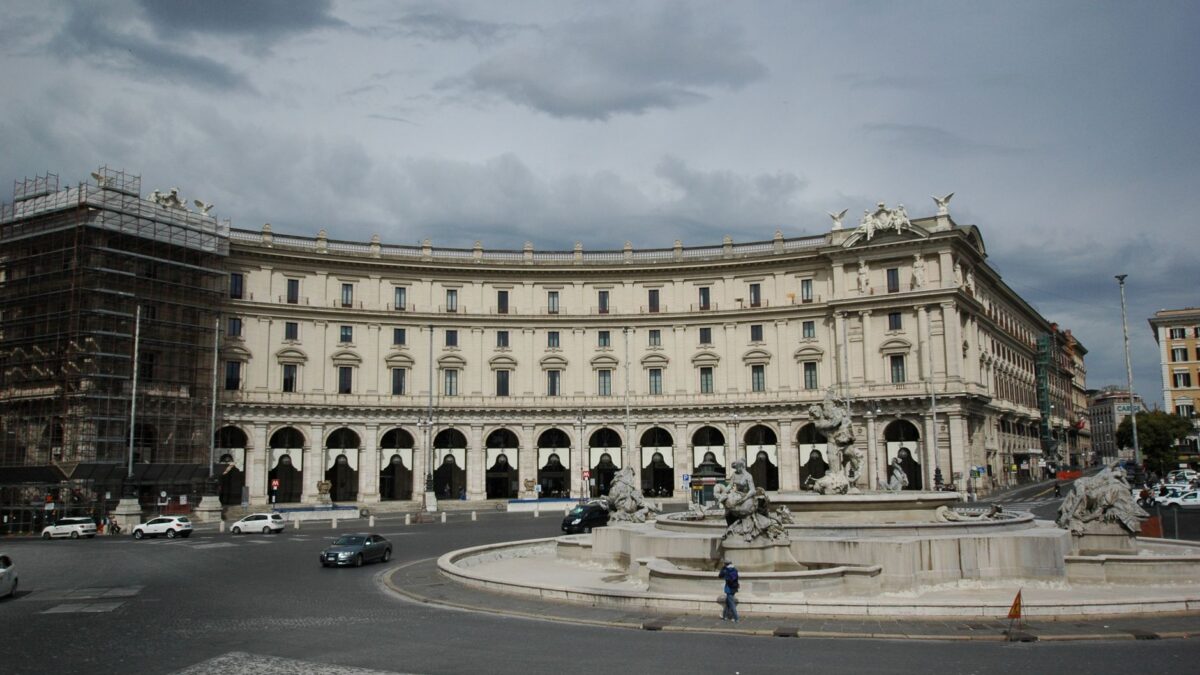
Piazza Navona, Campo de’ Fiori, Piazza del Popolo and Piazza di Spagna are free to walk through at any hour. The Pincio terrace above Piazza del Popolo and the Janiculum hill (Gianicolo) give wide views over the city, and the orange garden (Giardino degli Aranci) on the Aventine is free. Down the hill on the Aventine, the keyhole of the Priory of the Knights of Malta frames St Peter’s dome; it is a public view from the street, but the garden behind it is not open, and queues form in the evening. Trevi is covered below.
Which parks and markets are free?
Villa Borghese is a public park with lakes and lawns; the Villa Borghese park guide has the map and the paid museums inside it. The Appian Way regional park is free to walk, but some monuments and the catacombs charge a fee; see the Appian Way and catacombs guide. Food markets cost nothing to browse, as in the Rome food markets guide.
| Looks free | What to know (as of November 2026) |
|---|---|
| Trevi Fountain piazza | Free to view; the €2 fee applies to the basin area for non-residents |
| Pantheon | €7, with free entry for under-18s, Rome residents and first Sundays |
| St Peter’s Basilica | Free entry; dome climb paid |
| Appian Way park | Park free; catacombs and some sites paid |
| Civic museums | Free for residents of Rome and the Metropolitan City with ID |
What free days exist for museums?
State museums are free on the first Sunday of each month, and some other dates are free during the year. Residents get free entry to civic museums every day. The details are in free museum Sundays in Rome, and the Trevi rules are in the Trevi Fountain access guide. Walking tours advertised as free usually ask for tips at the end, so treat them as a donation-based paid product.
What can you do for free in the evening?
Rome is pleasant after dark, and many piazzas are lit and open to everyone. A walk from Piazza Navona to the Tiber, across Ponte Sant’Angelo to the view of Castel Sant’Angelo, costs nothing. Piazza del Campidoglio, designed by Michelangelo, is free to enter and gives a view over the Roman Forum from the side terrace. Trastevere’s streets are busy at night with bars and restaurants, but walking through is free.
What free spots are good in bad weather?
Churches are the main option in rain. Many churches have free artwork by Caravaggio, such as Santa Maria del Popolo and San Luigi dei Francesi, which you can see in the chapels for no fee in many cases; check opening times and the lighting coin boxes. Markets with covered stalls, such as the Testaccio market, are free to browse. The free civic museum rule for residents is the best rainy-day option if you live here.
How much should you budget for a mostly free day?
Water fountains (nasoni) give free drinking water across the city, so carry a bottle. Coffee at the bar counter costs much less than at a table in a central piazza, and service charges can apply for seating, so check the menu. Public toilets in the centre are limited and sometimes paid, so plan stops in cafes.
Are there free guided options?
Some museums run free guided visits on special days, and the city’s culture events calendar on Turismo Roma lists free concerts and exhibitions. Check turismoroma.it for the current list. Free walking tours based on tips are common; they are not free in the strict sense, so decide on an amount you are comfortable with beforehand.
Bottom line
Build a free day around walking: churches in the morning, piazzas at midday, a viewpoint at sunset. Add one paid ticket only for the sight you most want, and leave the rest of the budget for lunch.
FAQ
Is the Trevi Fountain free?
Looking from the piazza is free. Entering the basin area costs €2 for non-residents as of November 2026.
Is the Colosseum free?
Only on the first Sunday of the month and some other dates, with tickets collected on site.
Are Rome’s churches free?
Mostly yes, though some have paid areas such as crypts or domes.
Is Villa Borghese free?
The park is free. The Galleria Borghese museum needs a booked ticket.