Day Trips From Rome by Train: Ostia Antica, Tivoli, Orvieto
Six easy day trips from Rome by train, with rough journey times, how tickets work and what to check on strike days.
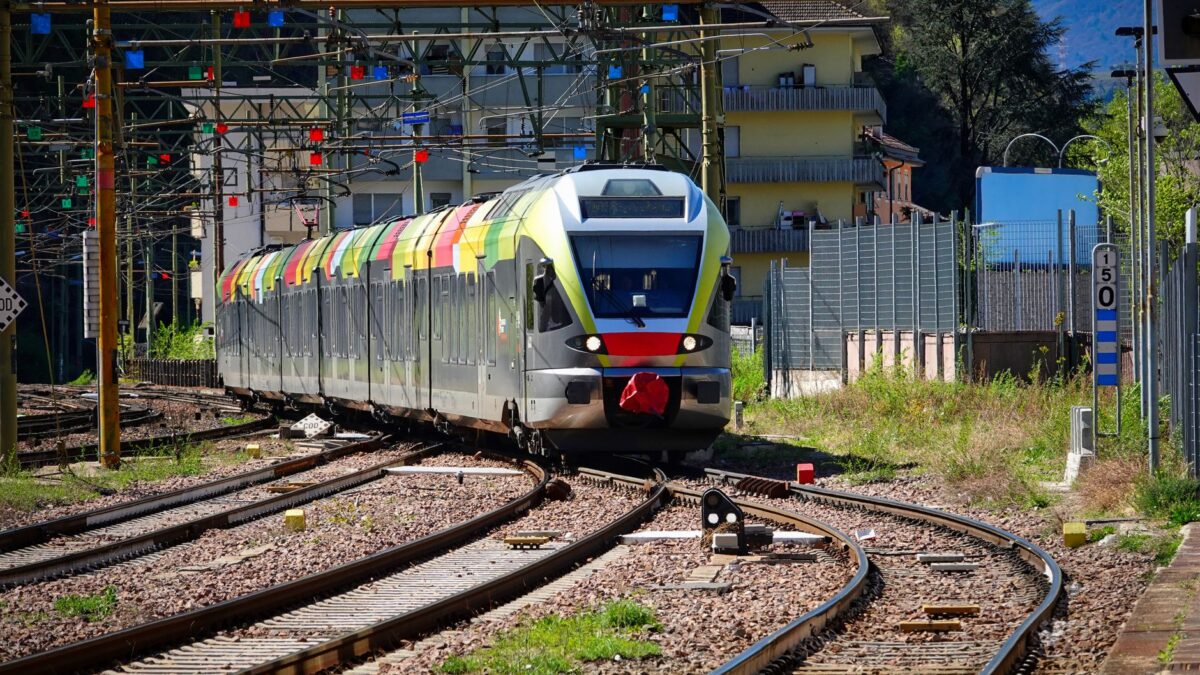
Ostia Antica takes about 30 minutes by train from central Rome, Tivoli about 50 and Orvieto a little over an hour, all on regional or urban trains with fares from a few euros. Naples and Pompeii need a faster train and cost more. Check Trenitalia for current times and fares, because timetables and prices change.
Which day trips from Rome work best by train?
| Destination | Typical journey (approximate) | From | Fare type |
|---|---|---|---|
| Ostia Antica | about 30 minutes | Porta San Paolo / Piramide (Roma-Lido line) | city ticket (BIT), no reservation |
| Tivoli | about 50 minutes | Roma Tiburtina | regional ticket |
| Orvieto | about 1 hour 10 minutes to 1 hour 30 | Roma Termini or Tiburtina | regional or intercity |
| Viterbo | about 1 hour 45 minutes | Roma Ostiense, regional line | regional ticket |
| Civitavecchia | about 1 hour | Roma Termini, Tiburtina or Ostiense | regional or intercity |
| Naples and Pompeii | about 1 hour 10 minutes to Naples on a fast train, then local train to Pompeii | Roma Termini | high-speed or intercity, advance fares |
These times and stations are typical, not fixed: services vary by day, so check an official timetable for your date.
How do tickets work on regional trains?
Regional trains use fixed-price tickets that are not tied to a specific train. Buy at a machine, a ticket office or the Trenitalia site or app, and validate a paper ticket in the machine on the platform before boarding. A ticket bought on board without validating can bring a fine. Regional fares in Lazio are set by distance. Fast trains between Rome and Naples sell cheaper advance fares, while regional services offer the same price all day. For the difference between Trenitalia and Italo, see Trenitalia vs Italo from Rome.
What is there to see in each town?
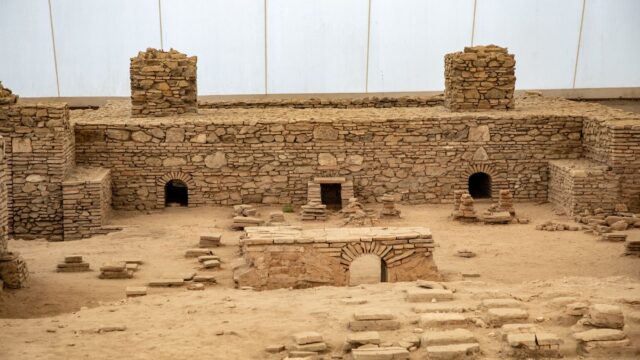
Ostia Antica is the ruined port city of ancient Rome; see the Ostia Antica day trip guide. Tivoli has two big sights, Villa d’Este with its fountains in town and Hadrian’s Villa a few kilometres outside, reached by local bus, so plan the transfer. Orvieto sits on a rock above the station, reached by funicular, and is known for its cathedral. Viterbo has a medieval centre and thermal springs outside town. Civitavecchia is mainly a cruise port and the starting point for ferries. Naples and Pompeii make a long day, and many people split them across two days.
What should you check about strikes and time?
Italian transport strikes are announced in advance and national or regional ones can cut or cancel services; guaranteed bands protect some commuter trains. Before you leave, look at the official strike calendar and at the Trenitalia page for your line. The strikes in Italy guide explains how the calendar works. Leave a margin for the return train if you plan an evening back in Rome, and keep the last-train time written down.
- Pick the town and check its main sight’s opening days (many close on Mondays).
- Check the timetable and any strike notices for your date.
- Buy the ticket, and validate it before boarding if it is paper.
- Note the last return train and the departure platform.
How do you plan Tivoli and Orvieto in one day?
Tivoli is best done with a start before 9:00. Villa d’Este and Hadrian’s Villa are separate paid sites in different places, so doing both takes most of the day and needs a bus between them; if time is short, choose one. Opening hours and last entry times differ by season, and winter closing is often early afternoon to late afternoon, so look at each site’s page. Orvieto works as a relaxed day: walk from the station area up to the old town, and check the cathedral’s visiting rules because they can vary around services.
Which trips make sense in winter?
From November to February daylight is short and many outdoor sites close by 16:30. Ostia Antica and Tivoli work well because the train journeys are short, while Naples and Pompeii are better saved for spring. Rain makes Ostia’s paths muddy and the Villa d’Este fountains look better in good light, so check the forecast the night before.
What should residents and longer-stay visitors know?
If you travel often, look at the regional and Lazio-wide travel passes sold through Trenitalia and the regional operators, because a monthly or weekly pass can beat single tickets. Tell the ticket office your route and ask which product fits. Children under a certain age travel free or cheaply on regional services, with the age limit set by the operator, so check it at purchase.
Bottom line
For a first day trip, choose Ostia Antica or Tivoli: short journeys, cheap tickets and little to book. Keep Orvieto and Naples for days when the weather is good and you can start early. Always buy the return leg time into your plan before you pay for lunch.
FAQ
Do you need to book regional trains?
No, regional tickets are not tied to a specific train. High-speed and intercity trains use seat reservations.
Is Ostia Antica on a normal city ticket?
The Roma-Lido line is part of the urban network, and the city ticket normally covers it; confirm the current fare with ATAC or Cotral.
Can you visit Pompeii as a day trip from Rome?
Yes, by fast train to Naples and then local train, though it is a long day.
What if a train is cancelled by a strike?
Check the operator’s notice and the alternative trains; refund rules are set by the operator.