Italy’s Chamber Passes Antisemitism Law, 147 Votes to 93
Italy's Chamber of Deputies approved the antisemitism bill 147 to 93, adopting the IHRA definition. Here is what the law says and who opposed it.
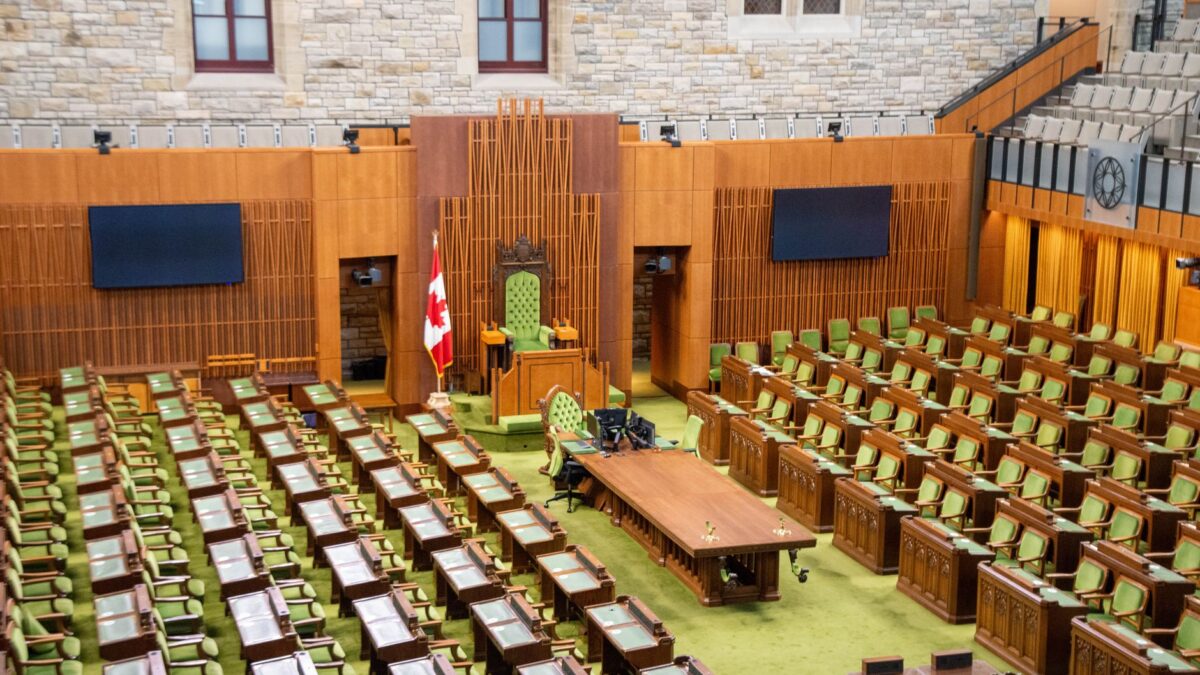
The Chamber of Deputies (the lower house of Italy’s Parliament) gave final approval on Tuesday to a bill against antisemitism. The vote was 147 in favour, 93 against and 5 abstentions, according to Euronews. The Senate had already passed the text in March.
The bill adopts the definition of antisemitism written by the International Holocaust Remembrance Alliance (IHRA) in 2016. That choice split the opposition, and every amendment was rejected.
What the law says
The text has five articles. The first says the Republic rejects all forms of antisemitism, promotes action against any expression of it and works to stop antisemitic prejudice from spreading in Italy. It adds that this applies “without prejudice to freedom of political criticism” and to freedom of expression, assembly and association, within constitutional principles.
The later articles create a Coordinator for the national antisemitism strategy and set out lines of action against antisemitic hatred, including educational and training initiatives.
The political fight is over the IHRA definition itself, and above all over the examples the organisation attaches to it. Critics say those examples in practice stretch the definition of hate to cover dissent against the actions of the Israeli government.
How the parties voted
The Democratic Party voted against, as did the Five Star Movement and AVS. Italia Viva and Azione backed the bill. Within the Democratic Party, Piero Fassino announced before the vote that he and other colleagues from its reformist wing would not follow the party line.
Angelo Bonelli, co-founder of AVS, called the measure a “gag law” and accused the government of wanting to silence people who denounce the occupation of Palestinian land. Laura Boldrini, a Democratic Party MP and former speaker of the Chamber, said the majority wants to censor criticism of the Israeli government. She said that if it were serious about fighting antisemitism, it would have approved the opposition’s amendments.
Those amendments would have replaced the IHRA text with the Jerusalem Declaration on antisemitism. Opposition members also asked the majority to consider the document the Council of Europe adopted in 2022, which puts more weight on tools for preventing and combating antisemitism. The Jerusalem Declaration states that opposing the Israeli government or Zionism as an ideology is not in itself antisemitic.
Osservatorio Israele answered that the bill “does not limit freedom to criticise the Israeli government” and separates legitimate political dissent from antisemitism.
What it means for the debate over criticism of Israel
The law puts the IHRA definition into Italian legislation, so the dispute over where criticism of the Israeli government ends and antisemitism begins now sits inside a statute. The wording of the first article, which protects political criticism and the freedoms of expression and assembly, is the part supporters point to. Opponents focus on the examples attached to the IHRA definition.
The debate in the chamber grew heated when speakers raised the death toll in Gaza since 2023. An amendment that would have banned naming streets and monuments after figures who supported antisemitism was also rejected. That led to a clash, with insults exchanged, over streets and statues in Italy dedicated to figures from the fascist era.
Source: Euronews