Sistine Chapel History: Michelangelo’s Ceiling and Last Judgment
Michelangelo painted the Sistine Chapel ceiling between 1508 and 1512 and The Last Judgment between 1535 and 1541. Here is who ordered each work and when.
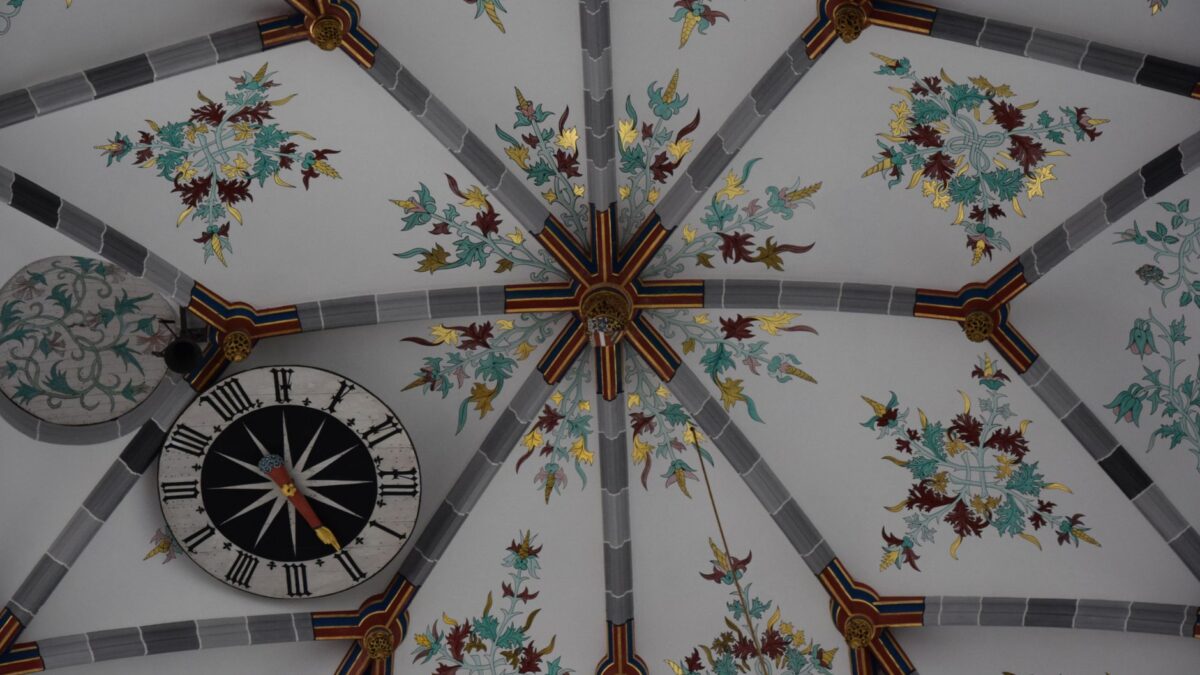
Michelangelo painted the Sistine Chapel ceiling between 1508 and 1512 for Pope Julius II. He came back between 1535 and 1541 to paint The Last Judgment on the altar wall, this time for popes Clement VII and Paul III. The chapel is older than both projects: Pope Sixtus IV had it built between 1473 and 1481 inside the Apostolic Palace, the pope’s official residence in Vatican City.
Who built the Sistine Chapel, and when?
Pope Sixtus IV gave the chapel its name. Baccio Pontelli designed it, and Giovannino de Dolci supervised the building work between 1473 and 1481. It stands on the site of an older chapel, the Cappella Maggiore (the Greater Chapel), which was in ruinous condition with leaning walls by the time it was pulled down. The new building follows the proportions of the old one.
The finished chapel is 40.9 metres long, 13.4 metres wide in the nave and 20.7 metres high at its maximum. It was first called the Cappella Magna (Great Chapel). Sixtus IV celebrated the first mass there on Aug. 15, 1483, the Feast of the Assumption, and dedicated the chapel to the Virgin Mary.
What was painted before Michelangelo?
Under Sixtus IV, a team of Renaissance painters decorated the walls with scenes from the Life of Moses and the Life of Christ. The team included Sandro Botticelli, Pietro Perugino, Pinturicchio, Domenico Ghirlandaio and Cosimo Rosselli. Papal portraits run above the scenes, and painted drapery that imitates fabric runs below them. The frescoes were finished in 1482, a year before the first mass.
Ghirlandaio matters to this story for a second reason. In 1488, at the age of 13, Michelangelo was apprenticed to him in Florence, and Ghirlandaio’s workshop was the largest in the city.
Why did Michelangelo paint the ceiling?
Pope Julius II was the patron. Michelangelo worked on the ceiling between 1508 and 1512, and the scenes from Genesis are what visitors look up at today. He did not think of himself as a painter. He had made his name as a sculptor, and two of his best-known works, the Pietà and David, were carved before he turned 30.
The ceiling is now regarded as one of the major artistic accomplishments of human civilization, and it changed the course of Western art. The pages used for this guide do not describe the plaster work, the scaffolding or the daily routine of the job, so none of that is claimed here.
When did he paint The Last Judgment?
The Last Judgment came after a long break and in a different political climate. Rome had been sacked in the meantime. Michelangelo returned and painted the altar wall between 1535 and 1541 for Clement VII and Paul III. Together with the ceiling, it is the reason the chapel is famous, and the two works have drawn crowds since they were revealed about five centuries ago.
Who was Michelangelo before the chapel?
Michelangelo di Lodovico Buonarroti Simoni was born on March 6, 1475, in Caprese, near Arezzo in Tuscany, and grew up in Florence. He was a sculptor, painter, architect and poet of the High Renaissance, and he worked mostly in Rome from his 30s. At 71 he succeeded Antonio da Sangallo the Younger as architect of St. Peter’s Basilica. The story of how St. Peter’s was built picks up that later chapter of his career. He died in Rome on Feb. 18, 1564, aged 88.
The Michelangelo biography also notes that he was the first Western artist whose life story was published while he was alive, in Giorgio Vasari’s Lives in 1550.
What is the chapel used for today?
The Sistine Chapel is the chapel of the Papal Chapel (Cappella Pontificia), one of the two bodies of the papal household, and it still hosts services from the papal calendar unless the pope is travelling. Its permanent choir, the Sistine Chapel Choir, has had much original music written for it. The best-known piece is Gregorio Allegri’s Miserere.
It is also where cardinals vote in a papal conclave. The first conclave held in the chapel took place from Aug. 6 to 11, 1492, and elected Alexander VI. A chimney is fitted to the roof during a conclave. White smoke means a new pope has been elected. Black smoke means nobody has reached the required two-thirds vote. Since 1996, cardinals have lodged at the Domus Sanctae Marthae but still vote in the chapel. Details are in the Sistine Chapel article.
Tips for visiting
- The chapel is in Vatican City, not in Roma Capitale (the City of Rome), so opening hours and ticket rules come from the Vatican, not from the city.
- Check the official Vatican Museums website for current hours, prices and closures before you go.
- The chapel can be closed for papal services or a conclave.
Quick answers
When did each project start and finish?
The ceiling dates from 1508 to 1512. Work on the altar wall began in 1535 and ended in 1541.
Who commissioned the ceiling?
Pope Julius II. The Last Judgment was painted for Clement VII and Paul III.
Did Michelangelo paint the walls too?
No. The walls were decorated by Botticelli, Perugino, Pinturicchio, Ghirlandaio and Rosselli and completed in 1482. Michelangelo’s two works are the ceiling and the altar wall.
Checked against official sources in November 2026. Hours, prices and rules change: confirm on the official page before you go or apply.